Oncology Rehabilitation

Oncology rehabilitation at ATI helps cancer patients recover strength, mobility, and independence. Our physical therapists provide safe, personalized care to manage fatigue, pain, and improve quality of life during and after treatment. ATI is here to support your healing journey every step of the way.

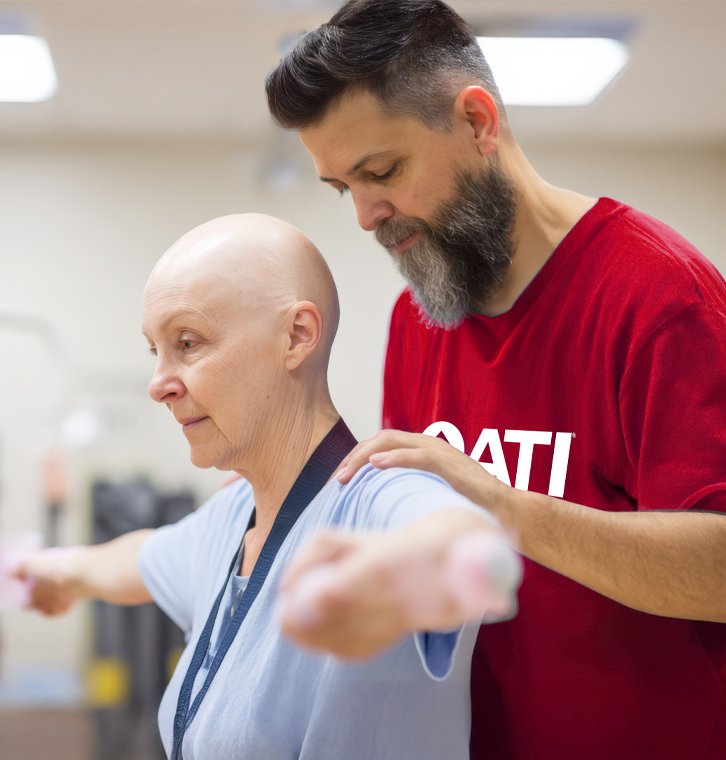
Cancer patient receives oncology physical therapy for cancer rehabilitation

How Cancer Rehabilitation Helps During and After Treatment

What Is Oncology Rehabilitation?

Oncology rehabilitation is a specialized form of rehabilitation designed to help individuals recover strength, mobility, and function during or after cancer treatment. Cancer and its treatments—surgery, chemotherapy, and radiation—can lead to physical side effects such as fatigue, pain, weakness, neuropathy, and lymphedema. Through personalized and evidence-based care, cancer rehabilitation helps patients regain independence, manage symptoms, and improve overall quality of life. Whether you’re undergoing active treatment or are in survivorship, physical therapy for cancer patients can be a powerful part of your healing journey.
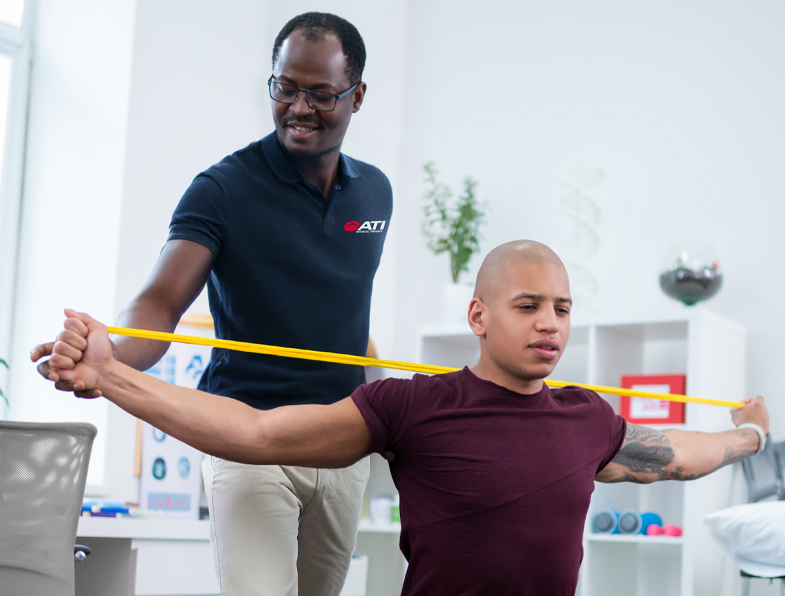
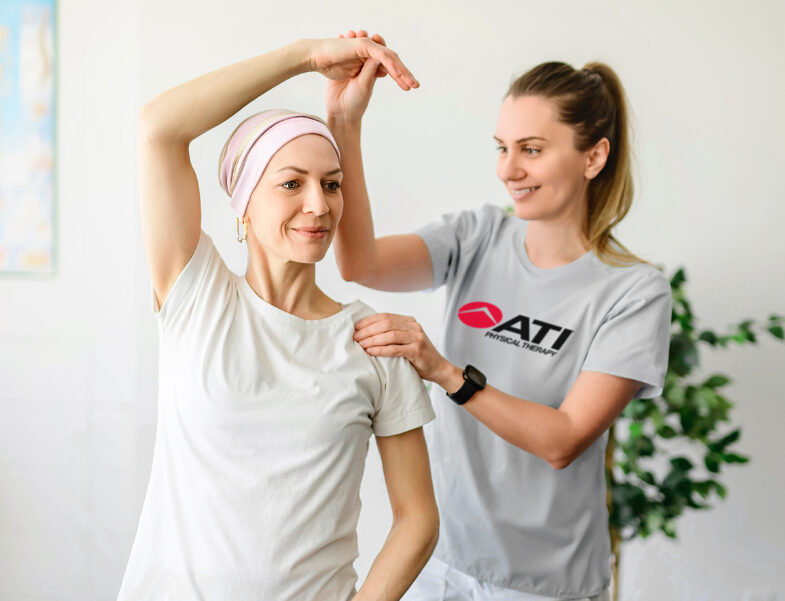
Male cancer patient receives oncology physical therapy for cancer rehabilitation

Personalized Care Plans for Cancer Patients

How Cancer Rehabilitation Works at ATI

At ATI, our physical therapists tailor each care plan to address weakness, fatigue, pain, and mobility challenges faced by individuals in cancer treatment or recovery. After a comprehensive evaluation, your therapist will design a program that may include strength training, balance exercises, energy conservation techniques, and strategies to support your recovery and independence.

For those experiencing swelling or lymphedema, we also offer care from therapists with advanced training in lymphedema management, using specialized techniques like manual drainage and/or compression and bandaging.

Whether you’re dealing with long-term effects of cancer treatment or looking to regain energy and mobility, oncology rehabilitation at ATI supports you every step of the way – gently and effectively.

Cancer patient receives oncology physical therapy for cancer rehabilitation

Why Choose Physical Therapy During or After Cancer?

Benefits of Oncology Rehabilitation at ATI

Engaging in physical therapy during or after cancer treatment can significantly improve both short- and long-term wellness. Here’s why so many patients choose ATI for cancer rehabilitation:

  • Improved strength, mobility, and daily function
  • Reduction in treatment-related fatigue
  • Safe, supervised movement and exercise
  • Enhanced balance and reduced fall risk
  • Education on self-care, home exercises, and symptom management
  • Compassionate support from therapists trained in oncology care

Frequently Asked Questions About Oncology Rehabilitation

We understand that patients often have questions about our oncology rehabilitation services. Our experienced specialists are here to provide clarity and assist you in making informed decisions about your treatment. Here are some common questions:

The length of cancer rehabilitation depends on your individual needs, treatment side effects, and recovery goals. Some patients may benefit from just a few weeks of therapy, while others continue for several months to rebuild strength and mobility. After your initial evaluation, your therapist will provide a personalized plan and timeline.

Yes. Oncology rehabilitation is designed to be safe and gentle, even while you are undergoing chemotherapy, radiation, or after surgery. Exercises are adjusted to match your energy level, with careful monitoring for symptoms like fatigue or pain, and care is coordinated with your medical team to ensure therapy fits safely within your overall treatment plan.

Oncology rehabilitation can help manage common cancer-related side effects such as fatigue, weakness, pain, balance problems, neuropathy, and lymphedema. Therapy can also improve daily function, reduce fall risk, and support long-term wellness during survivorship.

Most oncology rehabilitation exercises can be done with little to no equipment. Therapists may recommend resistance bands, light weights, or simple items at home to support progress. For lymphedema care, specialized garments or compression aids may be recommended, and your therapist will guide you in their proper use.

Yes. Many survivors experience lingering side effects like stiffness, fatigue, or reduced mobility long after treatment ends. Oncology rehabilitation helps restore function, improve strength, and promote long-term quality of life, whether you are currently in treatment or years into survivorship.

Start Your Physical Therapy Journey with ATI

Ready to take control of your health and start your journey to recovery? Don’t wait another day to feel your best. Contact ATI Physical Therapy now to schedule your initial consultation. Your path to wellness begins with ATI – let’s move forward together!