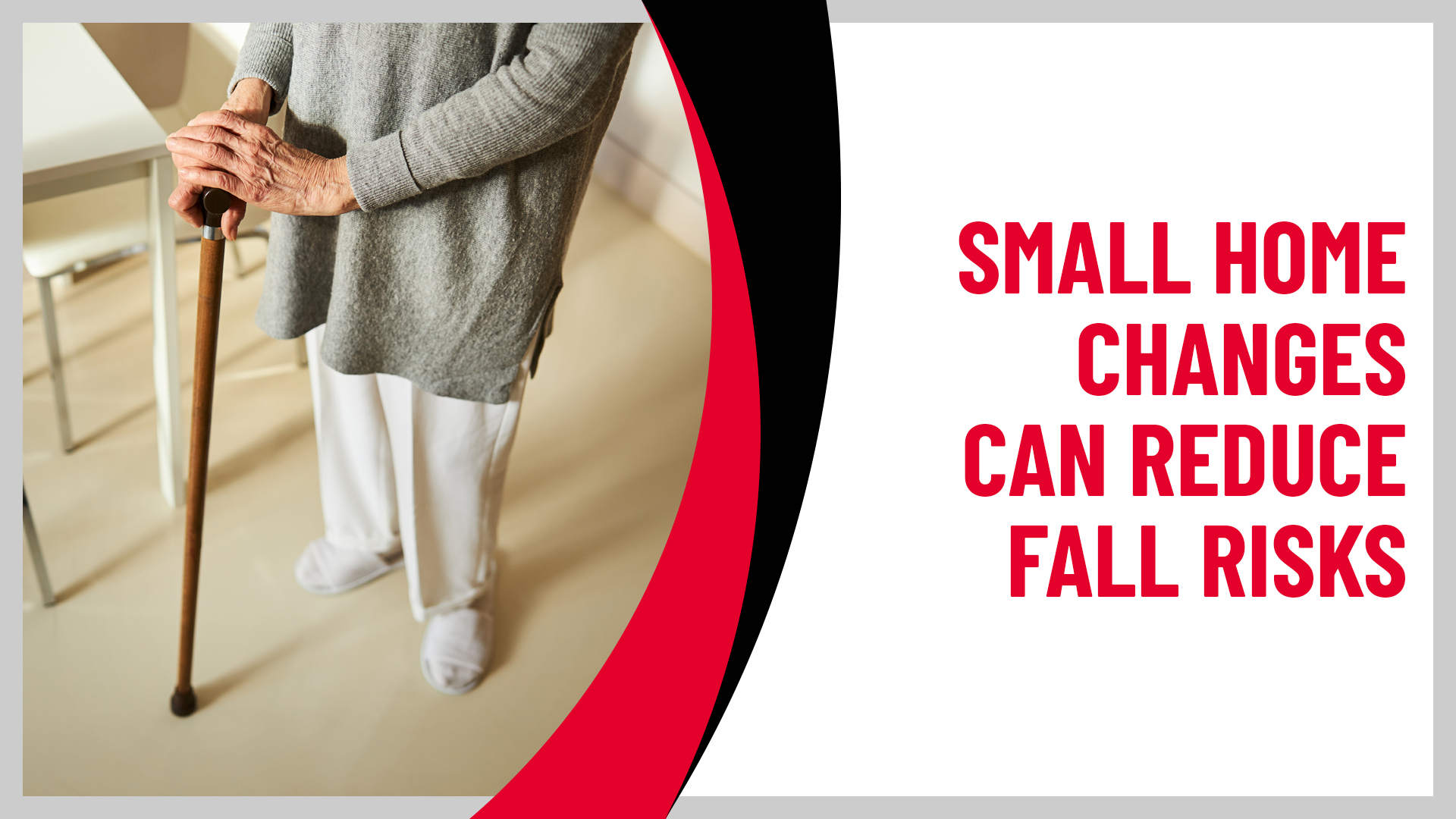
Small changes at home can make a big difference. Use this room-by-room checklist to lower your fall risk, feel more confident in daily activities, and know when to bring in a physical therapist for added support.
Reviewed and contributions made by VP of Clinical Development Thomas Denninger
Why Home Safety Matters
Home safety is a proven way to prevent falls at home. As people age, small changes in vision, balance, and strength add up, making everyday habits like getting out of bed or stepping out of the shower more difficult. Since most falls occur while performing routine tasks, a simple plan for home safety for seniors reduces fall risk and builds confidence.
Common hazards hide in plain sight. Dim lighting, loose cords, sliding throw rugs, and slick bathrooms all raise risk. Quick fixes help right away, for example non-slip rugs, grab bars, and better lighting for fall prevention.
Use a fall prevention checklist to scan each room. Start with high impact updates. Clear walkways, keep essentials within easy reach, add nightlights from bed to bathroom, and mark stair edges for contrast.
If you want expert support, a physical therapist can review your space and create a plan that fits your home and goals.
What the Facts Tell Us
Before you get started, a quick look at the facts explains why home safety for seniors matters. The fall prevention statistics below show how common falls are, and how simple changes can prevent falls at home. Use these numbers to decide what to fix first.
- About 1 in 4 adults 65 and older fall each year. APTA ChoosePT, Physical Therapy Guide to Falls.
- One in 10 reported falls leads to an injury that limits activity or requires medical care. APTA ChoosePT, Assess Your Falls Risk.
- After a dizziness diagnosis, starting physical therapy within three months was associated with up to an 86 percent lower risk of falls over the next year. APTA, Study summary.
- Falls are the leading cause of injury-related deaths for adults 65 and older, and fall death rates rose 31 percent over 10 years. APTA ChoosePT, Did You Know.
When to See a Physical Therapist
Consider an evaluation if any of the following apply:
- You have had a fall in the past year.
- Unable to rise from a sitting position without the use of your arms.
- You grab furniture to steady yourself.
- You feel dizzy or unsteady, especially with head turns.
- You avoid steps, curbs, or uneven ground.
- You feel anxious about walking in busy places.
A physical therapist can check your balance, strength, and walking pattern, then design a plan that fits your home and your goals. If you or a loved one is experiencing more frequent falls, dizziness, unsteadiness, or new fear of walking, come to ATI for physical therapy. In most cases, no doctor’s referral is needed to begin care.
Ready to take the next step? Book an evaluation today.
Schedule Now
How to use This Checklist
This fall prevention checklist turns big goals into quick wins. Walk room by room to prevent falls at home with smarter lighting, non-slip rugs, clear walkways, and well-placed grab bars. Start with the easy updates today, then schedule time to work through the rest. If you are not sure where to begin, a physical therapist can help you prioritize.
- Move through your home one area at a time.
- Tackle high impact fixes first, such as lighting and rugs.
- Ask a family member to help with reaching, lifting, or drilling.
- Recheck your space every few months, and after any move or remodel.
Entryway and Walkways
Goals: clear paths, good lighting, secure footing.
- Keep the path to your door free of cords, hoses, or planters.
- Add a bright light at the entrance, and use dusk-to-dawn bulbs when possible.
- Use a low-profile doormat with a non-slip back.
- Place a small table or shelf by the door for keys and bags, so your hands stay free.
- Store items you carry often near waist-height to avoid bending with armloads.
Living Room and Common Areas
Goals: clear floors, stable seating, reachable storage.
- Coil or tape cords and cables along the wall.
- Choose low-profile area rugs with non-slip backing, or remove them.
- Use sturdy chairs with arms for easier sit-to-stand. Avoid wobbly rockers.
- Keep remote controls, glasses, and phones within easy reach.
- Add motion-sensor nightlights for evening trips to the kitchen or bathroom.
Kitchen
Goals: good traction, safe reaching, smooth workflows.
- Keep frequently used items between shoulder and hip height.
- Use a stable step stool with a handle for higher shelves. Avoid chairs or unstable ladders.
- Wipe spills right away, and place a non-slip mat in front of the sink.
- Store heavy pots in waist-height drawers rather than on high shelves.
- Consider pull-out shelves to reduce awkward reaching.
Bathrooms
Goals: non-slip surfaces, secure supports, smart layout.
- Place non-slip mats inside the tub or shower and on the floor just outside.
- Install grab bars next to the toilet and inside the shower, anchored into studs.
- Use a shower chair or bench if standing is tiring or dizzying.
- Keep soap, shampoo, and towels within easy reach to avoid twisting.
- Choose a bright, even light and keep a nightlight on for safe trips.
Quick checks: Do suction-only grab bars feel loose? Does the bath mat slide? Are towels stored too high? Fix these first.
Bedrooms
Goals: safe night routines, tidy pathways, correct bed height.
- Clear a wide path from the bed to the bathroom.
- Place a lamp within arm’s reach, and add a motion nightlight.
- Keep phone and glasses on the nightstand.
- Check that your bed height allows you to place both feet flat on the floor before you stand.
- Avoid loose blankets that drape onto the floor.
Stair and Hallways
Goals: firm support, high contrast, no clutter.
- Install handrails you can grip on at least one side, and both sides when possible.
- Add bright, even lighting that minimizes shadows.
- Mark the edge of each step with a contrasting strip if the color is similar.
- Pick up shoes, bags, and laundry from steps.
- Repair loose treads and wobbly rails right away.
Laundry and Utility Rooms
Goals: manageable loads, dry floors, safe reach.
- Carry smaller loads to keep one hand free for support.
- Keep detergent and supplies at waist-height.
- Use a sturdy hamper with wheels if long hallway carries are tiring.
- Wipe up drips around the washer.
- Keep a clear path to the machines.
Outdoor Spaces
Goals: traction, visibility, safe transitions.
- Add path lights along walkways.
- Sweep wet leaves, sand, or snow as soon as you can.
- Apply non-slip treads on porch steps.
- Fix loose boards, uneven pavers, or wobbly railings.
- Store garden tools and hoses off the ground.
Simple Tools That Make Life Easier
Footwear and traction
- Choose supportive shoes with a firm heel counter and grippy tread.
- Replace worn soles and flattening insoles.
- Avoid loose slippers and socks on slick floors.
Lighting and contrast
- Use higher-lumen bulbs in halls and stairwells.
- Add nightlights in the bedroom, hall, and bathroom.
- Clean glasses often, and schedule regular eye exams.
Organization
- Place everyday items within easy reach.
- Use reachers for low or high items.
- Label storage bins in large print.
Budget Friendly Priorities
If you can only do a few things right now, start here:
- Add nightlights along the path from bed to bathroom.
- Secure or remove loose rugs.
- Install a grab bar in the shower and by the toilet.
- Improve stair lighting and clear clutter.
- Replace worn shoes with a supportive, grippy pair.
If you or a loved one is experiencing more frequent falls, dizziness, unsteadiness, or a new fear of walking, come to ATI for an initial evaluation with a licensed physical therapist. We will build a personalized plan around your needs and concerns. In most cases, no doctor’s referral is needed to get started.
Frequently Asked Questions
What is the fastest way to prevent falls at home?
Start with lighting and rugs. Add nightlights in the bedroom, hall, and bathroom. Secure or remove non-slip rugs and clear walkways. Install grab bars in the bathroom and keep everyday items at waist height. Use our fall prevention checklist to scan each room.
How often should I do a home fall risk check?
Review your space every three to six months, and after any move, remodel, new medication that causes dizziness or fatigue, or a fall.
Are bathroom grab bars worth it for fall prevention?
Yes. When anchored into studs by the shower and toilet, grab bars provide reliable support. Pair them with non-slip mats. Avoid suction-only bars.
Do I need special shoes inside the house to prevent falls?
Wear supportive house shoes with good tread. Avoid backless slippers and socks on slick floors. Replace worn soles.
Will insurance cover physical therapy for balance problems?
Coverage varies by plan. If you or a loved one has more frequent falls, dizziness, or unsteadiness, come to ATI Physical Therapy for an initial evaluation with a licensed physical therapist. In most cases, no doctor’s referral is needed to get started.