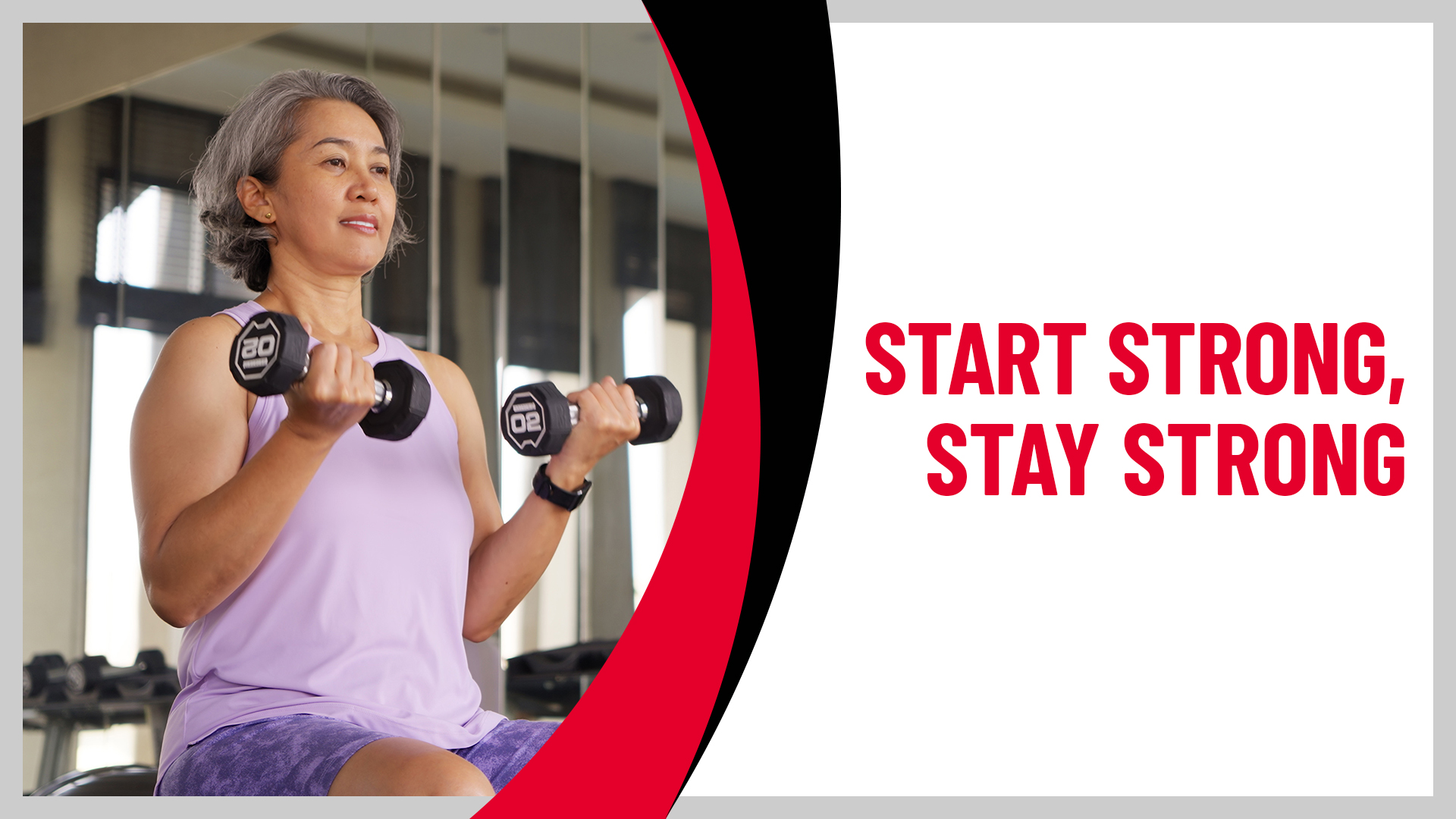
A new year brings fresh motivation to move more, get stronger, and build healthier routines. It also puts pressure on yourself to go hard at these new habits right away. That mix can lead to frustration, burnout, or injury before February hits. You are not alone if you have ever felt stuck between wanting big results and not knowing where to start.
Safe, sustainable fitness goals can help you build momentum without overwhelming your body. The right plan makes it easier to stay consistent, avoid pain, and feel stronger as the year goes on. This guide breaks down why goals slip, what realistic progress looks like, and how physical therapy can support your movement routine at any age.
Reviewed and contributions made by VP of Clinical Development Thomas Denninger
Key Takeaways
- Poor posture and inactivity often worsen back pain during winter.
- Gentle movement and daily stretching can ease stiffness and improve comfort.
- Physical therapy can build strength, mobility, and confidence for lasting back pain relief.
- In most cases, no doctor’s referral is needed to begin care with ATI Physical Therapy.
Why Fitness Goals Fall Off
Many people begin the year with excitement, only to lose motivation by February. The American Psychological Association notes that goals are far more successful when they are specific, realistic, and broken into achievable steps. Yet, most people choose goals that are too intense or too vague, such as planning to work out every day or trying to lose a large amount of weight quickly.
Work demands, illness, winter weather, and family schedules also interrupt exercise routines. When this happens, people often feel like they have failed, even though lapses are a normal part of behavior change. According to the National Institutes of Health, creating small, repeatable habits is much more effective than relying on motivation alone. When habits build gradually, they are more likely to last.
Physical therapists see this every year. Improved strength and flexibility come from consistency, not intensity. A plan that respects your starting point helps you stay committed, feel better faster, and reduce the risk of injury from doing too much too soon.
By the Numbers: Motivation, Movement, and Why Slow and Steady Wins
The numbers behind goal setting reveal why many people struggle to make changes stick.
- A Gallup poll found that gym participation drops sharply after the first few weeks of January even though interest in exercise remains high.
- The Centers for Disease Control and Prevention reports that only about one in four adults meets recommended physical activity levels throughout the year.
- The National Institutes of Health notes that gradual increases in activity reduce injury risk and make new routines easier to maintain (NIH Fitness Guidelines).
These insights show why small, achievable steps lead to the greatest long-term success.
If you want expert guidance as you begin or rebuild a fitness routine, our physical therapists can help you move with confidence. In most cases, no doctor’s referral is needed to begin care.
How to Set Fitness Goals You Can Actually Keep
Setting the right goals provides a solid foundation for meaningful progress. You do not need to overhaul your entire lifestyle. A few smart adjustments help you stay consistent without sacrificing safety.
Start with smaller targets
Try goals like:
- Ten-minute walks three times a week
- Two strength sessions per week using light weights or body weight
- A daily stretching routine that fits into your morning or evening
Small goals give your body time to adapt and create early wins that boost confidence.
Make your plan flexible
Rigid routines are harder to follow when life gets busy. Instead of deciding you must work out at the same time each day, choose a weekly movement target that you can fit into your schedule.
Track what really matters
Pay attention to energy levels, sleep, and mood. People often feel better in these areas before noticing changes in strength or endurance.
Add strength training early
Resistance training is one of the most research-supported ways to improve joint health, metabolism, and long-term mobility. Begin with simple movements like squats, lunges, step-ups, and rows using light resistance.
Use physical therapy for guidance
If you have past injuries, limited mobility, balance issues, or are unsure where to begin, a licensed physical therapist can help you get started safely. Your therapist will design an individualized plan around your goals, your movement history, and any symptoms you want to improve.
At Home Stretching Routine for Better Mobility
Gentle stretching improves flexibility, reduces stiffness, and prepares your body for activity. Move slowly, breathe normally, and stop if pain increases.
1. Seated spinal twist
- Sit tall in a chair.
- Gently rotate your torso to the right and hold for ten to fifteen seconds.
- Repeat on the left.
2. Chest opener
- Stand with your hands behind you and gently lift your chest.
- Hold ten to fifteen seconds.
- Relax and repeat.
3. Hip flexor stretch
- Stand with one foot forward and one back.
- Bend the front knee and shift forward until you feel a stretch in the front of your back hip.
- Hold ten to fifteen seconds on each side.
4. Calf stretch
- Stand facing a wall.
- Step one foot back and press the heel down.
- Hold for fifteen seconds and switch.
5. Side body stretch
- Reach your right arm overhead and lean left.
- Hold ten seconds and repeat on the other side.
Staying Motivated When Progress Feels Slow
Everyone experiences setbacks. What makes the difference is returning to your routine even when progress is not linear.
Tips that keep momentum going:
- Celebrate small improvements.
- Mix activities to keep movement enjoyable.
- Invite a friend or family member to join you.
- Remember that missing a day does not erase your progress.
If pain limits your ability to stay active, physical therapy can help identify what your body needs to move more comfortably.
If you want expert guidance as you begin or rebuild a fitness routine, our physical therapists can help you move with confidence. In most cases, no doctor’s referral is needed to begin care.
Ready to take the next step?
Book an Evaluation Today
Frequently Asked Questions
What is the easiest way to start exercising again?
Begin with short sessions two to three times a week. Walking, light resistance training, and stretching are safe and effective starting points.
How long does it take to see progress?
Many people feel improvements in energy and mood within a few weeks. Strength and endurance changes usually follow over the next one to three months.
Can I exercise if I have joint pain?
Often, yes. Gentle strength and mobility exercises can reduce discomfort. A physical therapist can recommend safe modifications.
When should I see a physical therapist?
If pain lasts longer than a few days, limits your movement, or keeps returning, schedule an evaluation. In most cases, no doctor’s referral is needed to begin care.