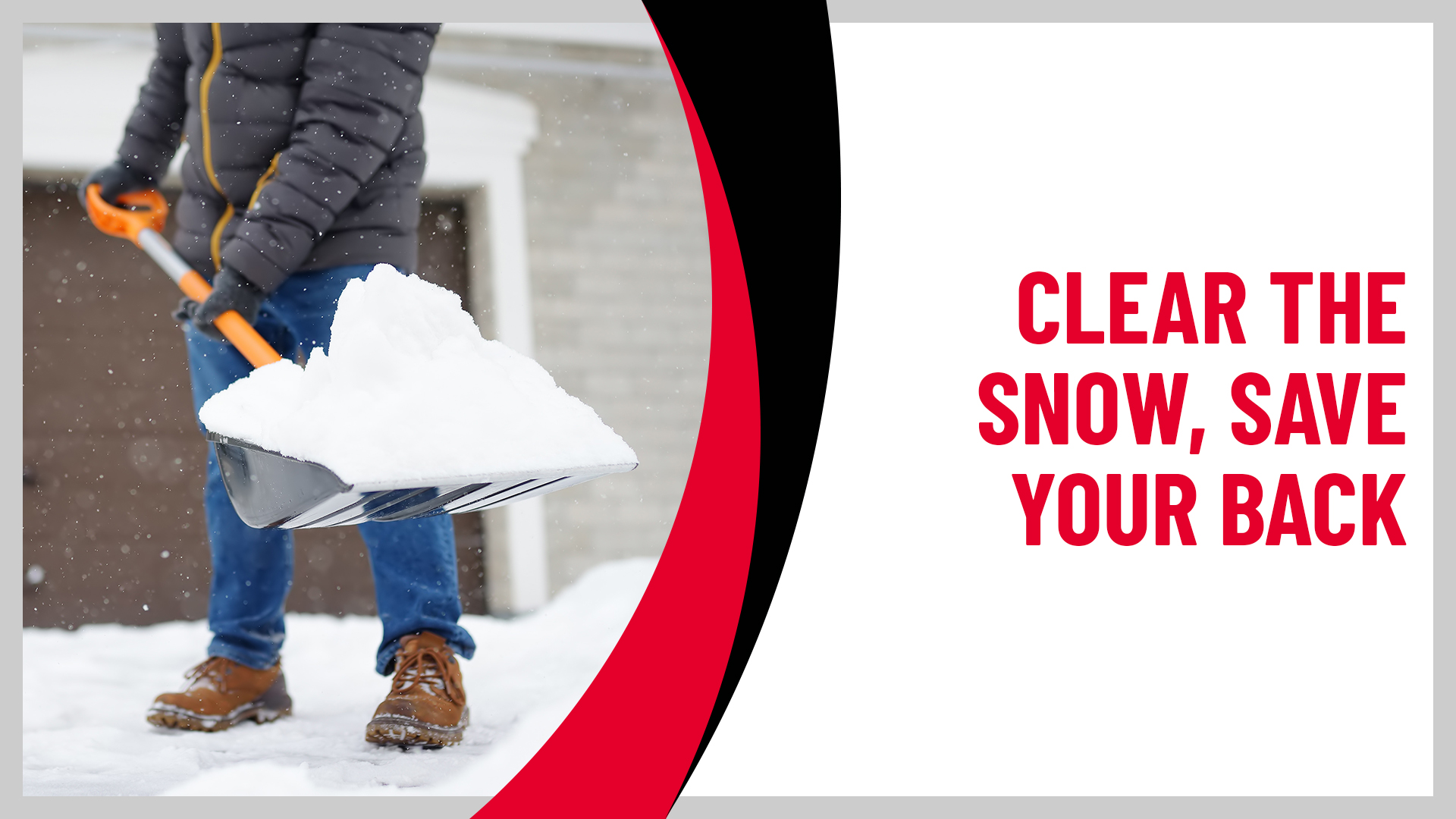
Shoveling snow and winter cleanup are unavoidable for many people, but they can place significant strain on the body. Cold temperatures, heavy snow, and awkward movements increase the risk of injury, especially to the back, shoulders, and heart. This guide explains the most common shoveling and snow cleanup injuries, why they happen, and practical ways to protect your body while staying safe during winter weather.
Reviewed and contributions made by VP of Clinical Development Thomas Denninger
Key Takeaways
- Snow shoveling places high physical demands on the back, shoulders, and heart.
- Cold weather and heavy snow increase injury risk.
- Proper technique, pacing, and preparation can help reduce injuries.
- Ongoing pain after snow cleanup should be evaluated by a licensed professional.
- In most cases, no doctor’s referral is needed to begin care at ATI Physical Therapy.
Why Shoveling and Snow Cleanup Cause Injuries
Snow shoveling combines repetitive lifting, twisting, and pushing movements, often performed in cold conditions. Muscles tend to tighten in the cold, reducing flexibility and increasing strain. Heavy or wet snow adds additional load, forcing the body to work harder with each movement.
Many injuries occur when people rush to clear snow quickly, use improper technique, or continue working despite fatigue. For others, winter cleanup may be one of the most physically demanding activities they perform all year, especially if they are less active during warmer months.
By the Numbers: Snow Shoveling Injuries
Snow cleanup injuries are more common than many people realize, and some can be serious.
- Each year in the United States, snow shoveling results in about 11,500 injuries, often requiring emergency department treatment (Nationwide Children’s Hospital / National Electronic Injury Surveillance System).
- About 54 percent of snow shoveling injuries are caused by acute musculoskeletal exertion, with lower back injuries reported most frequently (National Electronic Injury Surveillance System).
- Shoveling snow can significantly increase the risk of heart attack or sudden cardiac arrest, particularly in cold weather that constricts blood vessels (American Heart Association).
If you or a loved one is experiencing pain after shoveling or snow cleanup, come to ATI Physical Therapy for an initial evaluation with a licensed physical therapist. We will build a personalized plan around your needs. In most cases, no doctor’s referral is needed to begin care.
Common Shoveling and Snow Cleanup Injuries
Snow removal places stress on several areas of the body. Understanding what tends to get injured can help you recognize early warning signs.
Lower Back Pain and Strains
Lower back injuries are the most common snow shoveling injuries. Bending forward, twisting while lifting, and throwing snow to the side all increase stress on the spine and surrounding muscles. Pain may show up as soreness, stiffness, or sharp discomfort during or after shoveling.
Shoulder and Arm Injuries
Lifting and throwing snow repeatedly can overload the shoulders, especially when the snow is heavy or wet. Shoulder pain may feel like aching, weakness, or discomfort when lifting the arm.
Neck and Upper Back Tension
Cold temperatures and prolonged exertion can cause neck and upper back muscles to tighten. Poor posture while pushing or lifting snow can worsen stiffness and soreness.
Cardiac Strain
For some individuals, especially those with underlying heart conditions or who are less physically active, snow shoveling can place significant strain on the heart. Symptoms such as chest discomfort, shortness of breath, or dizziness should never be ignored.
How to Prevent Shoveling and Snow Cleanup Injuries
Injury prevention starts before you pick up a shovel. Small adjustments can significantly reduce strain and improve safety.
Warm Up Before You Start
Light movement, such as marching in place or gentle stretching, helps increase circulation and prepare muscles for work in cold temperatures.
Use Proper Shoveling Technique
Keep the shovel close to your body, bend at the hips and knees instead of the waist, and avoid twisting while lifting. Push snow when possible instead of lifting it.
Pace Yourself
Take frequent breaks and avoid rushing. Clearing smaller amounts of snow more often is safer than lifting heavy loads all at once.
Use the Right Equipment
Choose a shovel that fits your height and feels manageable. Ergonomic or lightweight shovels can help reduce strain.
Simple Stretches After Snow Cleanup
After shoveling or snow cleanup, gentle movement can help reduce stiffness and soreness in muscles that worked hard in the cold. These stretches are designed to ease tension and restore comfortable movement, not push flexibility. Move slowly, breathe normally, and stop if pain increases.
How often: Perform these stretches once after snow cleanup, and again later in the day if stiffness returns.
Lower Back Stretch
- Gently bend forward, then slowly return to standing
- Repeat by gently arching backward within a comfortable range
- Perform 8 to 10 slow repetitions in each direction
Shoulder Rolls
- Roll shoulders backward in a slow, controlled motion
- Then roll shoulders forward
- Perform 10 rolls backward and 10 rolls forward
- Repeat 1 to 2 times as needed
Neck Range of Motion
- Turn your head slowly to the right, then to the left
- Tilt your ear gently toward each shoulder
- Hold each position for 10 to 15 seconds
Repeat 2 to 3 times per direction
When to See a Physical Therapist
If pain from shoveling lasts more than a few days, keeps returning, or limits your ability to move comfortably, an ATI physical therapy evaluation can help. A licensed physical therapist can assess movement patterns, strength, and flexibility, then build a personalized plan to reduce pain and prevent future injury.
Ready to take the next step?
Book an Evaluation Today
Frequently Asked Questions
Is shoveling snow a common cause of back pain?
Yes. Improper lifting and twisting are common contributors to back pain during snow removal.
Should I shovel snow if I am not very active?
Yes, you can still shovel snow, but you are encouraged to start slowly, take breaks, and consider asking for help if needed.
Can physical therapy help after a snow shoveling injury?
Yes. Physical therapy can help restore mobility, strength, and safe movement patterns.
What should I do if I feel chest pain while shoveling?
Stop immediately and seek medical care.