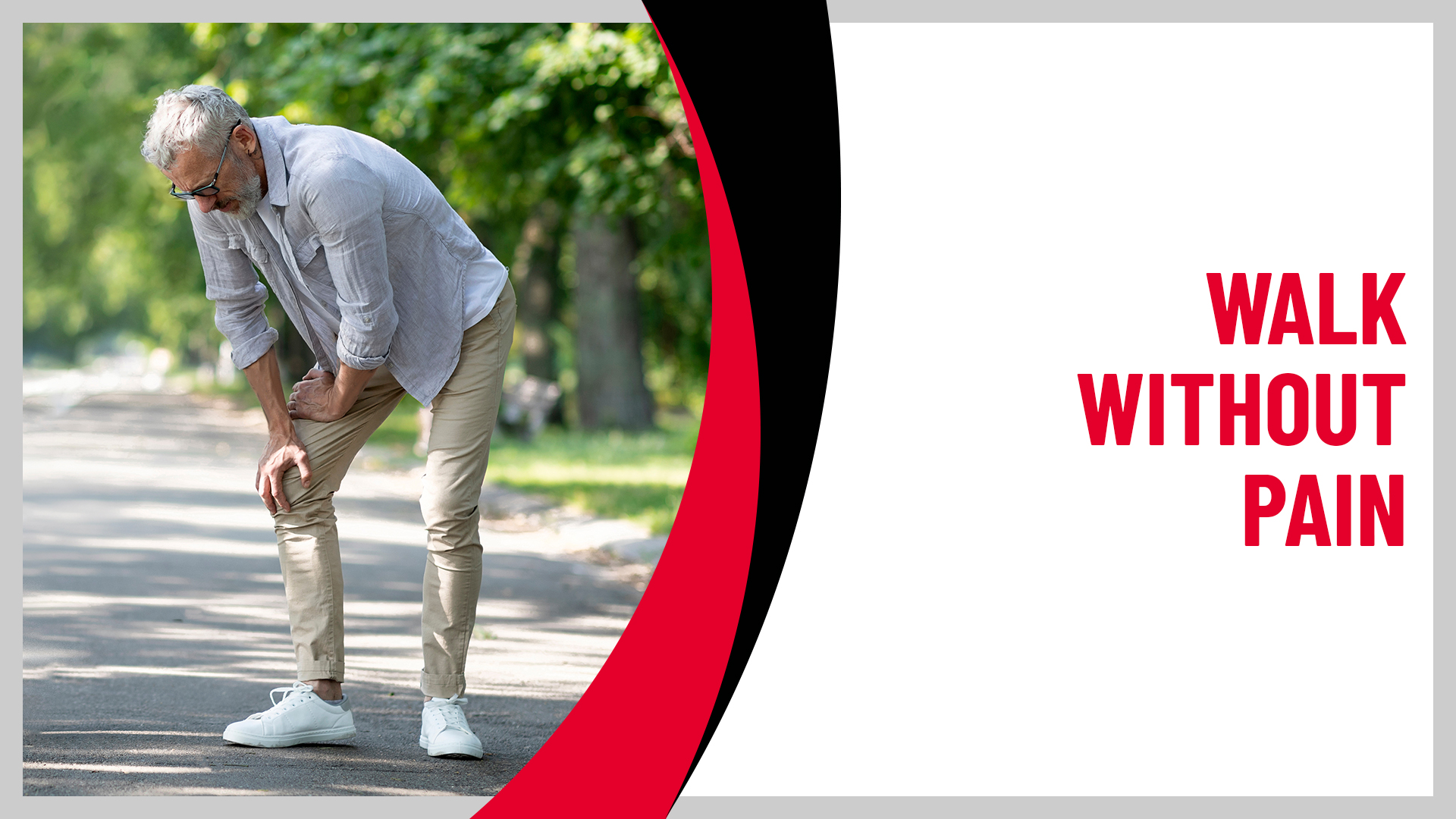
If walking hurts, don’t ignore it. Pain in your feet, knees, hips, or back can be a sign of an underlying issue. This guide explains common causes of walking pain, what your symptoms may be telling you, and when to see a physical therapist.
Reviewed and contributions made by VP of Clinical Development Thomas Denninger
Key Takeaways
- Walking pain can occur in the feet, knees, hips, or lower back.
- Early treatment can help prevent symptoms from getting worse.
- Small changes in strength and movement can reduce pain and improve walking.
- In most cases, no doctor’s referral is needed to begin care at ATI Physical Therapy.
Understanding Walking Pain
Walking is part of everyday life, which is exactly why pain with every step can be so frustrating. Even minor issues, like muscle weakness, joint stiffness, overuse, or poor alignment, can put extra strain on your body and make walking uncomfortable. Pain can also show up after changes in activity, footwear, or terrain. Over time, those small stresses can build up, change the way you move, and lead to pain in your feet, knees, hips, or back.
Walking pain is not random. Once you understand what is causing it, you can start taking the right steps to feel better.
By the Numbers: Walking Pain and Mobility
Walking-related pain and mobility issues are extremely common and can impact daily life.
- Up to 1 in 4 adults experience chronic pain that can affect daily movement and activity levels (Centers for Disease Control and Prevention).
- Arthritis, a leading cause of joint pain during walking, affects millions of adults and commonly affects the knees and hips (Centers for Disease Control and Prevention).
- Foot and ankle problems are a frequent source of walking pain, especially when combined with improper footwear or overuse (American Academy of Orthopaedic Surgeons).
These trends highlight how common walking pain is and why early attention can make a meaningful difference.
If you or a loved one is experiencing pain while walking, come to ATI Physical Therapy for an initial evaluation with a licensed physical therapist. We will build a personalized plan around your needs. In most cases, no doctor’s referral is needed to begin care.
What Pain When Walking May Be Telling You
Pain when walking does not always start with one clear injury. Often, it builds as repeated stress, weakness, stiffness, or changes in movement begin to catch up with you. The location of the pain can offer clues about what is driving it and what kind of treatment may help.
Foot Pain When Walking
Pain in the bottom of the foot is often linked to plantar fasciitis, irritated soft tissue, or strain from overuse. Unsupportive shoes, long hours on your feet, or a sudden jump in activity can trigger it.
Many people notice it most with their first steps in the morning or after sitting for a while.
Knee Pain When Walking
Knee pain often develops when the joint is taking more stress than it can handle. That can happen because of muscle weakness, poor alignment, or irritation in the cartilage and surrounding tissues. It may become more noticeable on stairs, hills, or longer walks.
Hip Pain When Walking
Hip pain can come from joint stiffness, muscle weakness, or overworked tissues around the hip. Some people feel it in the front of the hip, while others notice it along the outside. It may show up as a deep ache that makes walking feel less smooth and comfortable.
Lower Back Pain When Walking
Lower back pain during walking is often tied to posture, limited mobility, or weakness in the core and hips. It may start as mild discomfort and build the longer you stay on your feet, especially if your body is compensating for stiffness or poor movement elsewhere.
Steps You Can Take to Reduce Walking Pain
Reducing walking pain usually takes more than just resting and hoping it goes away. The goal is to take stress off the irritated area, improve how your body moves, and make a few smart changes that support recovery.
Get the Right Shoes for Your Feet
Do not just grab a new pair of sneakers and hope for the best. Go to a specialty running or footwear store where they can measure your feet properly, look at your arch type, and recommend shoes based on how you walk and where you feel pain. If your shoes are worn down, replace them. The right support can make a noticeable difference.
Build Strength Where You Need It
Weakness in the hips, glutes, core, or legs can increase stress on the feet, knees, and back. Start with targeted exercises that match your symptoms and increase gradually. If an exercise makes your pain worse during or after, that is a sign to back off and adjust.
Work on Stiff Areas
Tight ankles, stiff hips, and limited mobility through the lower back can all change the way you walk. Gentle stretching and mobility work can help you move more freely and reduce strain with each step. Focus on the areas that feel restricted, not just the place that hurts.
Adjust How Much You Are Doing
You do not have to stop walking completely, but you may need to scale it back for a bit. Shorten your distance, avoid hills, switch to flatter surfaces, or take breaks before pain starts to build. The goal is to stay moving without repeatedly aggravating the problem.
Pay Attention to Patterns
Notice when the pain is worst: first thing in the morning, after long walks, on stairs, or after sitting. Those patterns can help you figure out what is driving the problem and whether it is improving or getting worse.
Get Evaluated if it Keeps Coming Back
If walking pain keeps returning, starts changing the way you move, or limits how far you can go, it is time to get an evaluation. A physical therapist can help pinpoint the source and give you a plan that is more specific than trial and error.
Exercises to Try Based on Where It Hurts
The right exercises depend on where your pain stems from. If your symptoms are related to foot strain, knee overload, hip weakness, or lower back stiffness, a few targeted movements can help reduce stress on irritated areas and improve the way you walk. These exercises are simple starting points that support strength, control, and mobility in the areas most often linked to walking pain.
Move slowly, stay controlled, and stop if your pain gets sharper, starts spreading, or feels worse afterward. Mild muscle fatigue is fine. Increasing joint pain is not.
Heel Raises for Foot and Ankle Support
If pain is showing up in the bottom of your foot, around the heel, or through the arch, calf and foot strength can make a real difference. Heel raises help build support through the foot and ankle, which can reduce strain with each step. This can be especially helpful for pain related to plantar fasciitis, overuse, or poor push-off when walking.
How to do it:
- Stand near a counter, wall, or sturdy chair for balance
- Place your feet hip-width apart
- Slowly lift your heels off the ground so you rise onto the balls of your feet
- Pause for 1 to 2 seconds at the top
- Lower slowly and with control
Start with 2 sets of 10 repetitions
What to watch for:
- Keep your weight centered; do not roll your ankles outward
- Try not to rush the lowering phase
- If both feet feel easy, then progress to doing more of the work on one side at a time
Seated Knee Extensions for Knee Support
If walking bothers your knee, especially with stairs, hills, or longer distances, thigh muscle weakness may be adding extra stress to the joint. Seated knee extensions help strengthen the quadriceps, which support the knee and improve control during walking.
How to do it:
- Sit tall in a chair with both feet flat on the floor
- Slowly straighten one knee until your leg is almost fully extended
- Hold for 1 to 2 seconds
- Lower back down with control
- Repeat on the other side
Start with: 2 sets of 10 repetitions per leg
What to watch for:
- Move slowly instead of snapping the leg straight
- Keep your posture upright rather than leaning back
- You should feel the front of the thigh working, not sharp pain in the knee
Bridges for Hip and Glute Strength
If you feel pain in the hip, or if your knee or low back starts to ache the longer you walk, weakness through the hips and glutes may be part of the problem. Bridges help strengthen the muscles that stabilize your pelvis and support better alignment with each step.
How to do it:
- Lie on your back with your knees bent and feet flat on the floor
- Place your feet about hip-width apart
- Tighten your stomach gently, squeeze your glutes, and then lift your hips off the floor
- Raise until your shoulders, hips, and knees form a gentle line
- Pause briefly, then lower slowly
Start with: 2 sets of 10 repetitions
What to watch for:
- Push through your heels, not your toes
- Do not arch your lower back to get higher
- You should feel this mostly in the glutes and the back of the hips
Hip Mobility for Stride and Lower Back Relief
If your hip feels stiff, your stride feels shorter, or your lower back starts tightening up during walks, limited hip mobility may be forcing your body to compensate. A gentle hip stretch can help you move more freely and reduce stress above and below the joint.
How to do it:
- Stand in a split stance with one foot forward and one foot back
- Bend the front knee slightly
- Tuck your pelvis under a bit and shift your weight forward until you feel a stretch in the front of the back hip
- Hold, then switch sides
Start with: 20 to 30 seconds per side, 2 to 3 times
What to watch for:
- Keep your chest upright
- Do not force the stretch
- You should feel a gentle pull in the front of the hip, not pinching
Standing Marches for Balance and Hip Control
If walking feels awkward, uneven, or unstable, standing marches can help improve single-leg control and hip stability. That matters because every step you take puts your body briefly on one leg.
How to do it:
- Stand tall near a counter or wall for support
- Slowly lift one knee toward hip height, then lower it
- Alternate sides in a slow, controlled rhythm
- Focus on staying upright and balanced
Start with: 2 sets of 10 marches per side
What to watch for:
- Avoid leaning side to side
- Keep your core gently engaged
- Use your hands for balance as needed
How These Exercises Connect to Walking Pain
These movements are not random. Each one supports a problem area commonly involved in pain when walking:
- Foot pain: heel raises can improve calf and foot strength to reduce stress on the plantar fascia and other overworked tissues
- Knee pain: knee extensions and bridges can improve support from the quads and hips, so the knee is not doing all the work
- Hip pain: bridges, marches, and hip mobility work can improve stability and reduce strain around the joint
- Lower back pain: stronger hips, better balance, and improved mobility can reduce the compensations that build tension in the lower back
A Simple Way to Start
If you want to try these on your own, start small. Pick 2 or 3 exercises that match where your pain is showing up and do them 3 to 4 times per week for 2 weeks.
A simple example:
- Foot pain: heel raises, hip bridges, standing marches
- Knee pain: seated knee extensions, hip bridges, standing marches
- Hip pain: hip bridges, hip mobility stretch, standing marches
- Lower back pain: hip bridges, hip mobility stretch, standing marches
If your walking feels easier, your pain comes on later, or recovery is quicker afterward, that is a good sign you are moving in the right direction. If symptoms keep getting worse, start limiting how far you walk, or change the way you move, then it is time to get evaluated by a physical therapist.
When to See a Physical Therapist
If walking pain continues, worsens, or begins to limit your daily activity, it may be time for an evaluation. A licensed physical therapist can assess how your body moves, identify the source of your pain, and create a personalized plan to help you move more comfortably.
If you or a loved one is experiencing pain while walking, come to ATI Physical Therapy for an initial evaluation with a licensed physical therapist. We will build a personalized plan around your needs. In most cases, no doctor’s referral is needed to begin care.
Ready to take the next step?
Book an Evaluation Today
Frequently Asked Questions
Is it normal to have pain when walking?
Occasional discomfort can happen, but ongoing pain is often a sign something needs attention.
Should I keep walking through pain?
Mild discomfort may improve with movement, but persistent or worsening pain should be evaluated.
Can shoes cause walking pain?
Yes. Poor support or worn-out shoes can contribute to foot, knee, and hip pain.
Can physical therapy help walking pain?
Yes. Physical therapy can improve strength, mobility, and movement patterns to reduce pain.