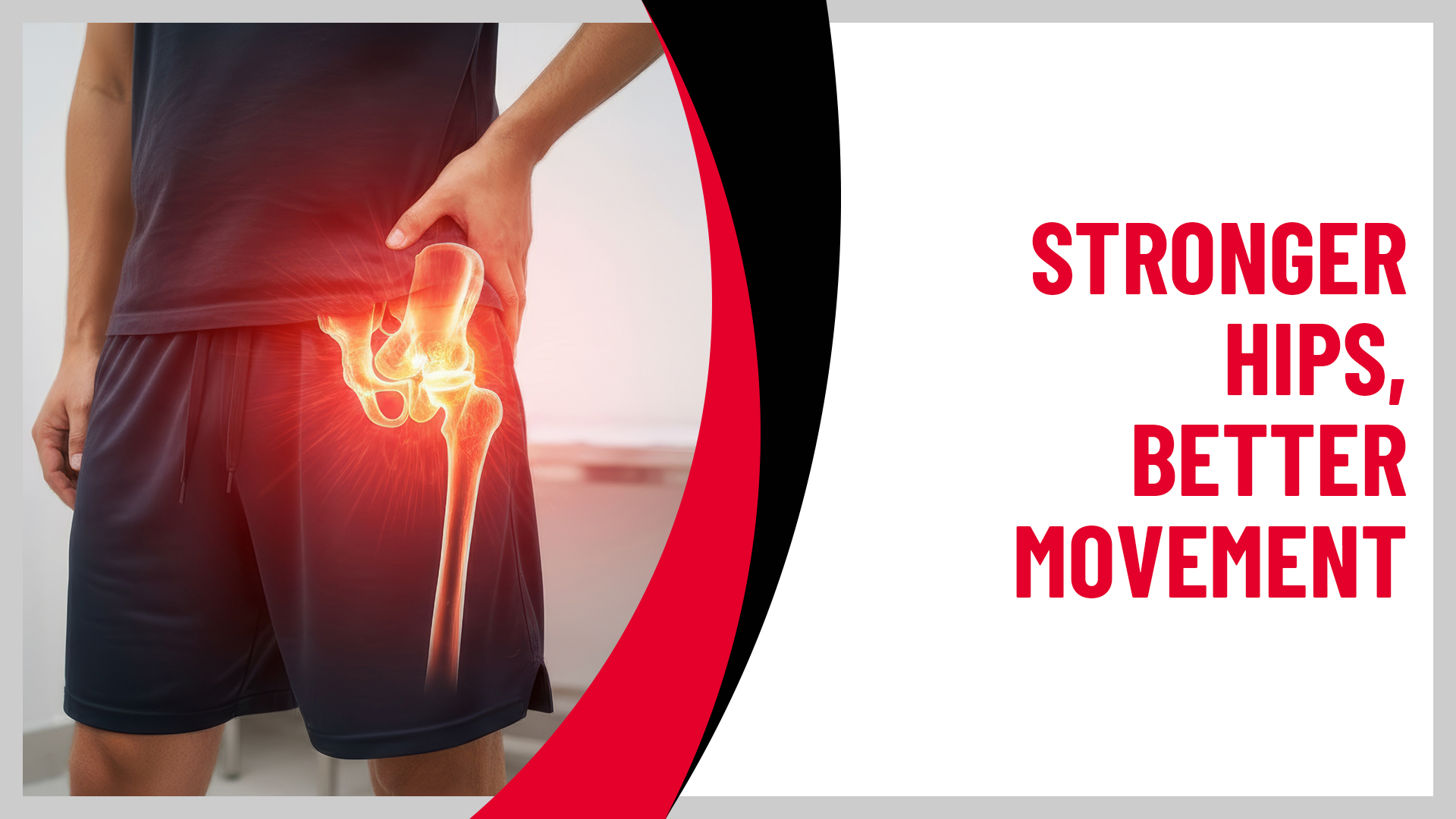
Hip pain is common and can affect everything from walking and sitting to exercise and sleep. It may develop gradually from overuse or appear suddenly due to strain or injury. This guide explains the most common causes of hip pain, what your symptoms may mean, and simple ways to improve movement and reduce discomfort.
Reviewed and contributions made by VP of Clinical Development Thomas Denninger
Key Takeaways
- Hip pain can come from muscles and surrounding tissues (defined as extra-articular) or the joint itself (defined as intra-articular).
- Common causes include overuse, stiffness, and inflammation.
- Where you feel pain (front, side, or deep in the hip) can help point to the underlying issue.
- Improving strength and mobility around the hip can help point to the underlying issue and reduce symptoms.
- In most cases, no doctor’s referral is needed to begin care at ATI Physical Therapy.
Why Hip Pain Happens
The hip is a large, weight-bearing joint that plays a key role in nearly every lower body movement. Walking, standing, bending, and even sitting all rely on proper hip function. Because of this, small issues in strength, mobility, or alignment can quickly lead to discomfort.
Hip pain often develops when muscles become tight or weak or joints become stiff. When this occurs, your body begins to rely on less efficient movement patterns that place more stress on the hip. Increased activity levels, especially after periods of inactivity, can also contribute to irritation and inflammation in the area.
Understanding what is causing your hip pain is the first step toward finding the right solution.
By the Numbers: Hip Pain and Mobility
Hip pain and mobility limitations are common, especially as activity levels increase and place more demand on the joints and surrounding muscles.
- Hip osteoarthritis, the most common cause of hip pain in older adults, affects up to 27% of adults.
- Hip pain is one of the most common reasons adults begin to reduce activity levels, which can lead to further stiffness, weakness, and loss of mobility over time if not addressed early.
- Research shows that targeted exercise, manual therapy, and education can lead to meaningful improvements in pain and function, with many people experiencing 20–25% or greater reductions in pain and improved mobility without the need for surgery.
These trends highlight how common hip-related issues are and why early attention can help prevent them from becoming more limiting.
Common Causes of Hip Pain
Hip pain can feel different depending on the underlying cause and where it is located. In many cases, symptoms develop gradually as small movement limitations, muscle imbalances, or repetitive stresses build up over time. Understanding the most common causes can help you better interpret your symptoms and take the right steps toward relief.
Hip Bursitis
Bursitis occurs when the fluid-filled sacs that cushion the hip joint become irritated. This often leads to pain on the outside of the hip, especially when lying on the impacted side or during walking.
Muscle Strain
Overuse or sudden increases in activity can strain the muscles around the hip, specifically in the muscles on the side, the gluteus medius and minimus. The strained muscles may then cause soreness, tightness, or pain during movement.
Hip Stiffness and Mobility Limitations
Limited flexibility in the hip joint can change how your body moves, causing discomfort with sitting, standing, walking, or other activities like crossing the legs or tying your shoes.
If you or a loved one is experiencing hip pain, come to ATI Physical Therapy for an initial evaluation with a licensed physical therapist. We will build a personalized plan around your needs. In most cases, no doctor’s referral is needed to begin care.
How to Reduce Hip Pain
Reducing hip pain is not just about resting the joint; it is about improving how your body moves and how the surrounding muscles support the hip during activity. Consistent, low-impact strategies can help reduce irritation, improve stability, and make everyday movements feel more comfortable over time.
Stay Active with Low-Impact Movement
Walking, cycling, or gentle exercise can help maintain mobility without placing excessive strain on the joint.
Improve Hip Strength
Strengthening the muscles around the hips, including the glutes and core, can help support the joint and reduce stress.
Increase Mobility
Stretching and mobility exercises can help reduce stiffness and improve range of motion.
Avoid Prolonged Positions
Sitting or standing in one position for too long can contribute to stiffness and discomfort. Changing positions regularly can help.
Simple Exercises for Hip Mobility and Strength
Targeted exercises can help improve how the hip moves and how well it is supported during activity. Focusing on both strength and flexibility can reduce strain on the joint and improve overall function. Start slowly and build consistency over time for the best results.
Move slowly and stop if pain increases.
Glute Bridges
- Lie on your back with knees bent
- Lift your hips toward the ceiling
- Lower slowly
- Perform 2 sets of 10 repetitions
Standing Hip Abduction
- Stand upright, holding a stable surface
- Lift one leg out to the side
- Lower slowly
- Perform 2 sets of 10 per side
Hip Flexor Stretch
- Step one foot forward into a split stance
- Gently shift your weight forward
- Hold for 20 to 30 seconds per side
- Repeat 2 times
When to See a Physical Therapist
If hip pain continues, worsens, or begins to limit your daily activity, it may be time to seek guidance. Addressing the issue early can help prevent more persistent problems. A physical therapist can evaluate your movement, strength, and flexibility, then create a personalized plan to help reduce pain and improve function.
Ready to take the next step?
Book an Evaluation Today
Frequently Asked Questions
What is the most common cause of hip pain?
Hip pain is often caused by muscle strain, bursitis, or joint stiffness.
Should I rest or stay active with hip pain?
Light movement is usually helpful, but painful activities should be avoided.
Can hip pain come from my back?
Yes. Some hip pain is referred from the lower back or pelvis.
Can physical therapy help hip pain?
Yes. Physical therapy can improve strength, mobility, and movement patterns to reduce pain.