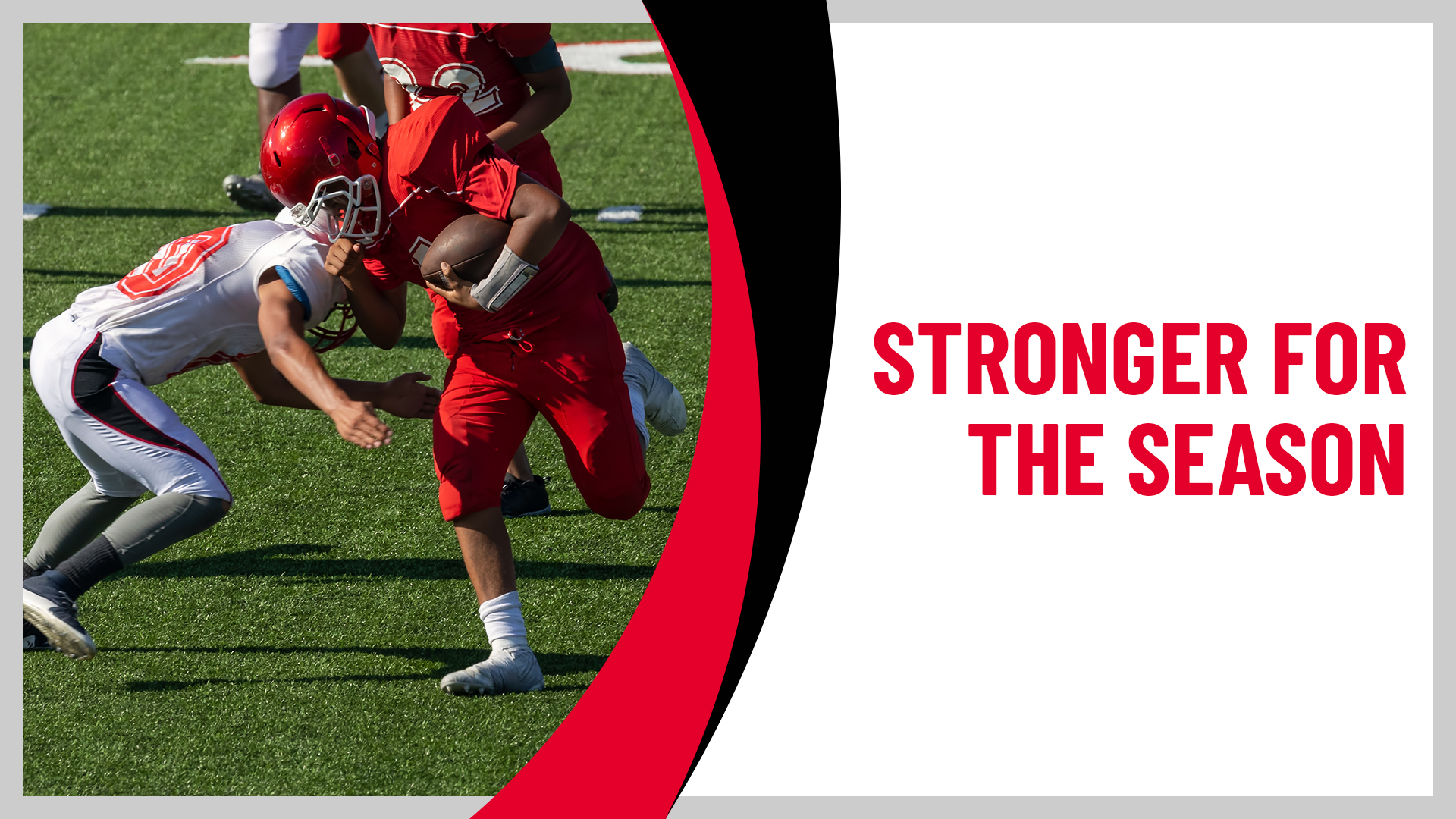
The excitement of a new fall sports season brings athletes back to football fields, soccer pitches, volleyball courts, cross-country trails, tennis courts, and marching band practice. Along with that excitement comes a higher risk of injury as practices become more frequent, workouts intensify, and games fill the calendar.
While some injuries happen unexpectedly, many can be prevented with proper preparation. Building strength, improving balance, warming up before activity, and recognizing the early signs of injury all help athletes stay healthy throughout the season. Whether you’re a student-athlete, parent, or coach, understanding how to protect the knees, ankles, and shoulders can help keep athletes competing instead of sitting on the sidelines.
Reviewed and contributions made by VP of Clinical Development Thomas Denninger
Key Takeaways
- Most sports injuries are preventable with proper conditioning and training.
- Knee, ankle, and shoulder injuries are among the most common injuries during fall sports.
- Strength, balance, flexibility, and proper warm-ups help reduce injury risk.
- Pain should never be ignored or considered a normal part of playing sports.
- Physical therapy can help athletes prevent injuries, recover safely, and return to competition with confidence.
By the Numbers
Preparing for the season isn’t just about improving performance. It’s also one of the best ways to reduce the risk of injury.
- More than 3.5 million children ages 14 and younger receive medical treatment for sports injuries each year in the United States.
Source: Stanford Medicine Children’s Health - Ankle sprains account for approximately 15% to 30% of all sports injuries, making them one of the most common athletic injuries.
Source: The Effectiveness of Neuromuscular Warm-Up Strategies for Preventing Lower Limb Injuries During Sports Participation - Neuromuscular warm-up programs have been shown to reduce knee injuries by approximately 52% in athletes using programs such as FIFA 11+.
Source: The Effectiveness of Neuromuscular Warm-Up Strategies for Preventing Lower Limb Injuries During Sports Participation
These statistics highlight an important point. Sports injuries are common, but they aren’t inevitable. Taking steps to improve strength, movement, and recovery before injuries occur can make a meaningful difference throughout the season.
Not every ache or pain requires time away from sports, but persistent discomfort shouldn’t be ignored. Physical therapists work with athletes of all ages to identify movement problems, improve strength and flexibility, and help prevent injuries before they become more serious.
An evaluation may be beneficial if an athlete experiences:
- Pain that lasts longer than a few days
- Swelling after activity
- Recurrent ankle sprains
- Knee pain while running, jumping, or climbing stairs
- Shoulder pain during throwing or overhead movements
- Difficulty returning to sports after an injury
- Loss of strength, balance, or mobility
Physical therapy isn’t only for recovering from injuries. Many athletes also benefit from preseason movement assessments, individualized strengthening programs, and sport-specific training that can improve performance while reducing injury risk.
Why Fall Sports Bring a Higher Risk of Injury
The beginning of every sports season represents a sudden increase in physical demands. Athletes who spent the summer staying active may still find themselves unprepared for daily practices, conditioning drills, and weekend competitions. Those who were less active during the offseason often face an even greater adjustment.
Injury risk tends to rise during the first several weeks of the season because muscles, tendons, and ligaments haven’t fully adapted to repetitive, high-intensity activity. Fatigue also plays a role, especially as athletes balance school, practices, homework, and other commitments.
Several factors contribute to early-season injuries.
Sudden Increases in Training
One of the biggest mistakes athletes make is increasing activity too quickly. Running farther, lifting heavier weights, or practicing every day without gradually building endurance places added stress on the body.
A gradual increase in training allows muscles and connective tissues to adapt while reducing the risk of strains and overuse injuries.
Inadequate Warm-Ups
Starting practice with cold muscles can limit flexibility and reduce coordination. Dynamic warm-ups increase blood flow, activate key muscle groups, and prepare the body for explosive movements like sprinting, jumping, and cutting.
Warm-ups should include movements that mimic the sport rather than simply stretching in place.
Muscle Weakness and Imbalances
Even strong athletes may have weaknesses that increase injury risk. Weak hips can affect knee alignment. Poor core stability can change running mechanics. Limited shoulder strength can increase stress on the upper body during throwing or blocking.
Addressing these imbalances before the season begins helps athletes move more efficiently and safely.
Fatigue and Recovery
Recovery is just as important as training. Without enough sleep, hydration, and rest between practices, muscles become fatigued and reaction times slow. Fatigue affects coordination and increases the likelihood of poor movement patterns that may contribute to injury.
Protecting Your Knees
The knees absorb tremendous forces during nearly every fall sport. Running, pivoting, jumping, landing, and sudden changes in direction all place stress on the knee joint. Football players absorb contact from opponents, volleyball athletes repeatedly jump and land, while soccer players perform frequent cutting movements throughout every match.
Although knee injuries can occur from contact, many develop because of poor movement mechanics, muscle weakness, or repetitive stress over time.
Build Strength Throughout the Lower Body
Healthy knees depend on more than strong quadriceps. The hips, glutes, hamstrings, calves, and core all work together to control lower body movement.
When these muscles function properly, they help stabilize the knee during running and jumping while reducing unnecessary strain on ligaments and cartilage.
Exercises like squats, lunges, step-ups, and bridges can help build strength throughout the entire lower body.
Improve Landing Mechanics
Athletes often focus on how high they jump but spend less time learning how to land.
Landing with bent knees and hips helps absorb force more effectively than landing with stiff legs. Keeping the knees aligned over the feet instead of collapsing inward also helps reduce stress on the ACL and surrounding structures.
Practicing proper jumping and landing mechanics during training can improve both performance and injury prevention.
Don’t Ignore Knee Pain
Pain isn’t something athletes should simply push through.
Persistent soreness, swelling, instability, or pain that worsens during activity may indicate more than normal muscle fatigue. Addressing symptoms early often allows athletes to recover more quickly and avoid more serious injuries that require extended time away from sports.
Preventing Ankle Sprains
Few injuries are as common in sports as ankle sprains. Whether an athlete lands on another player’s foot during volleyball, steps awkwardly while running a cross-country course, or changes direction quickly during soccer or football, the ankle is especially vulnerable.
Many athletes recover well after an ankle sprain, but returning to competition before strength and balance are fully restored significantly increases the likelihood of another injury.
Improve Balance and Stability
Balance exercises strengthen the small muscles surrounding the ankle while improving coordination and body awareness.
Simple exercises like standing on one leg, progressing to unstable surfaces as strength improves, help athletes react more effectively to unexpected movements during competition.
Better balance doesn’t just reduce ankle injuries. It also improves overall athletic performance.
Choose Sport-Specific Footwear
Shoes should match both the athlete’s sport and the playing surface.
Worn-out shoes may provide less support and traction, while shoes designed for one sport may not offer the stability needed for another. Replacing footwear when it begins to wear down helps maintain proper support throughout the season.
Complete Your Rehabilitation
One of the biggest reasons ankle sprains recur is because athletes return before regaining full strength and balance.
Pain may improve within a few weeks, but lingering weakness can remain much longer. Completing a full rehabilitation program helps restore mobility, confidence, and stability before returning to competition.
Keeping Shoulders Healthy
While shoulder injuries are often associated with baseball, they’re also common in football, volleyball, tennis, swimming, cheerleading, and among soccer goalkeepers. Overhead movements, repetitive throwing, blocking, tackling, and falls all place considerable stress on the shoulder complex.
Unlike the knee or ankle, the shoulder sacrifices stability to allow a wide range of motion. That mobility makes it especially important to maintain strength and control throughout the season.
Strengthen the Rotator Cuff
The rotator cuff consists of a group of muscles that help stabilize the shoulder during movement. When these muscles become weak or fatigued, other structures within the shoulder absorb more stress, increasing the likelihood of pain or injury.
Resistance band exercises, light dumbbell strengthening, and sport-specific conditioning can help improve shoulder stability without placing excessive strain on the joint.
Maintain Flexibility
Tight muscles around the shoulders, chest, and upper back can limit mobility and change movement mechanics. Stretching after practices and games helps maintain flexibility while reducing muscle tightness that develops over the course of a long season.
Athletes who participate in overhead sports should pay particular attention to shoulder mobility as part of their regular recovery routine.
Listen to Early Warning Signs
Shoulder soreness that improves after a workout may be normal muscle fatigue. Pain that persists, increases during throwing, or causes weakness is not.
Ignoring these symptoms can allow a minor issue to progress into a more significant injury that requires a longer recovery period.
Don’t Play Through Pain
Athletes are often taught to push through challenges, but pushing through pain is different. While it’s normal to experience muscle soreness after a hard workout or game, pain that changes the way you move or continues to worsen should never be ignored.
Continuing to practice with an untreated injury can turn a minor problem into one that sidelines an athlete for weeks or even months. Recognizing the warning signs early allows athletes to seek treatment before the injury becomes more serious.
Normal Soreness vs. Injury
Muscle soreness usually develops several hours after activity and gradually improves over the next day or two. It tends to affect both sides of the body and feels better as muscles loosen up.
An injury often feels different. Pain may occur suddenly, remain sharp during activity, or continue even after practice ends. Swelling, bruising, instability, or difficulty putting weight on a limb are additional signs that something more serious may be happening.
Signs It’s Time to Stop Playing
Athletes should stop participating and be evaluated if they experience:
- Sharp or sudden pain during activity
- Swelling around a joint
- A popping sensation at the time of injury
- Difficulty bearing weight
- Repeated ankle rolling or feelings of instability
- Shoulder pain during throwing or overhead movements
- Knee buckling or locking
- Pain that lasts for several days without improving
Ignoring these symptoms rarely makes them go away. Early treatment often leads to a quicker recovery and may help prevent more significant injuries.
Injury Prevention Exercises
Adding a few simple exercises to a warm-up routine can improve strength, balance, and movement quality throughout the season. These exercises target many of the muscle groups that help protect the knees, ankles, and shoulders during athletic activity.
Single-Leg Balance
- Stand on one foot with your knee slightly bent.
- Keep your hips level and maintain good posture.
- Hold for 30 seconds.
- Repeat on the opposite leg.
Perform: 3 repetitions on each leg.
Why it helps: Improves balance, ankle stability, and body awareness, reducing the risk of ankle sprains and improving overall athletic control.
Lateral Band Walks
- Place a resistance band around your ankles or just above your knees.
- Bend your knees slightly into an athletic stance.
- Take slow side steps while maintaining tension on the band.
- Continue in one direction before returning.
Perform: 10 to 15 steps in each direction for 2 to 3 sets.
Why it helps: Strengthens the glute muscles that help stabilize the hips and knees during running, cutting, and jumping.
Bodyweight Squats
- Stand with your feet shoulder-width apart.
- Bend at the hips and knees while keeping your chest upright.
- Lower until your thighs are nearly parallel to the floor.
- Push through your heels to return to standing.
Perform: 10 to 15 repetitions for 2 to 3 sets.
Why it helps: Builds strength throughout the hips, thighs, and core while reinforcing proper lower-body movement patterns.
Resistance Band External Rotations
- Secure a resistance band at waist height.
- Keep your elbow tucked against your side and bent at 90 degrees.
- Slowly rotate your forearm away from your body.
- Return with control.
Perform: 12 to 15 repetitions on each arm for 2 sets.
Why it helps: Strengthens the rotator cuff to improve shoulder stability during throwing and overhead activities.
Walking Lunges
- Stand tall and step forward into a lunge.
- Lower until both knees are bent approximately 90 degrees.
- Push through your front foot and continue into the next step.
- Keep your knees aligned over your feet throughout the movement.
Perform: 10 lunges per leg for 2 to 3 sets.
Why it helps: Improves lower-body strength, balance, and coordination while helping athletes develop better movement control.
When to See a Physical Therapist
Not every ache or pain requires time away from sports, but persistent discomfort shouldn’t be ignored. Physical therapists work with athletes of all ages to identify movement problems, improve strength and flexibility, and help prevent injuries before they become more serious.
An evaluation may be beneficial if an athlete experiences:
- Pain that lasts longer than a few days
- Swelling after activity
- Recurrent ankle sprains
- Knee pain while running, jumping, or climbing stairs
- Shoulder pain during throwing or overhead movements
- Difficulty returning to sports after an injury
- Loss of strength, balance, or mobility
Physical therapy isn’t only for recovering from injuries. Many athletes also benefit from preseason movement assessments, individualized strengthening programs, and sport-specific training that can improve performance while reducing injury risk.
Ready to take the next step?
Book an Evaluation Today
Frequently Asked Questions
What are the most common fall sports injuries?
Ankle sprains, knee injuries, muscle strains, shoulder injuries, and overuse conditions are among the most common injuries seen during the fall sports season.
How can athletes reduce their risk of injury?
Gradually increasing activity levels, completing dynamic warm-ups, maintaining strength and flexibility, getting adequate sleep, and allowing time for recovery all help lower injury risk.
Should athletes continue playing if they have pain?
No. Mild muscle soreness after activity is common, but sharp pain, swelling, instability, or pain that continues during activity should be evaluated before returning to sports.
Can physical therapy help prevent sports injuries?
Yes. Physical therapists can identify movement limitations, improve strength and balance, address muscle imbalances, and develop individualized injury prevention programs that help athletes stay healthy throughout the season.
Do athletes need physical therapy if they weren’t seriously injured?
Not necessarily, but physical therapy can benefit athletes recovering from minor injuries, experiencing recurring pain, or looking to improve movement mechanics and reduce future injury risk.