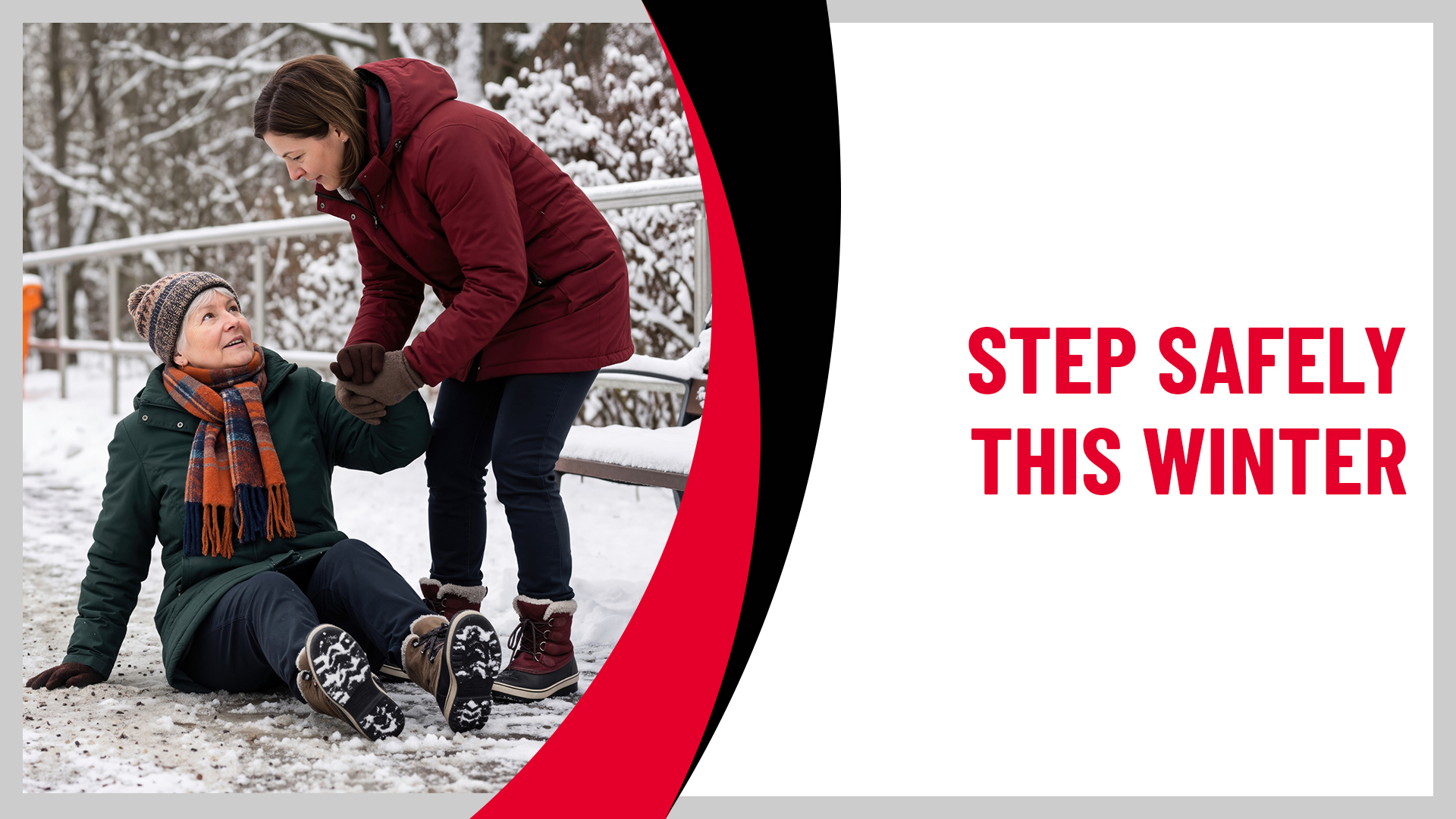
An icy front step can make a familiar trip to the mailbox feel uncertain. Add an armful of groceries or a poorly lit walkway, and everyday winter errands require more attention than usual.
Winter fall prevention starts with making your surroundings safer, but strength and balance matter, too. Your legs help you get up from a chair, manage steps, and control your movements. Your balance helps you stay steady as you turn, reach, and move through changing surroundings.
You cannot make every surface safe or prevent every fall. You can take practical steps to reduce risk, from choosing a clearer walking route to building strength indoors. Here is where to start and when a physical therapist may help.
Reviewed and contributions made by VP of Clinical Development Thomas Denninger
Key Takeaways
- Clear walking paths, supportive footwear, and good lighting are essential parts of winter fall prevention.
- Strength and balance exercises can help you stay steadier during everyday activities.
- Wet entryways and loose rugs deserve attention alongside icy sidewalks.
- Repeated stumbles, dizziness, or fear of falling are reasons to seek guidance.
- Physical therapy can address specific difficulties with walking, balance, stairs, and getting up from a chair.
By the Numbers
- About 1 in 4 adults age 65 and older reports falling each year. Falls are common, which makes prevention worth discussing before an injury happens. If you have noticed changes in your balance, bring them up with your healthcare provider. Source: CDC.
- Exercise programs reduced the number of falls by about 23% among older adults living independently. A large review found that exercise helped prevent falls, particularly programs involving balance and everyday movements. This supports making strength and balance practice a regular habit. Source: Cochrane systematic review.
- Home safety programs led to 38% fewer falls among older adults at higher risk. These programs involved identifying hazards and making changes around the home. The finding applies to people with elevated fall risk, such as those with a previous fall or who need help with daily activities. Source: Cochrane.
These findings describe falls across the year, rather than winter falls specifically. They support a practical approach: work on how you move and the spaces you move through.
If winter walking has you worried, or you have noticed more stumbles and difficulty with everyday movements, an ATI evaluation may help identify what needs attention. We can build a plan around your strength, balance, and the activities you want to keep doing.
Start Winter Fall Prevention Before You Leave Home
Give yourself a few extra minutes before heading out. Rushing makes it harder to notice a slick step or choose a safer route, especially when daylight is limited.
Choose shoes or boots that fit securely, have low heels, and offer traction. Check the soles for wear. A warm boot with a smooth, worn sole may offer less grip than you expect. Keep gloves near the door so you can leave your hands available for balance and handrails instead of tucked into your pockets.
Look at the route from your door to your destination. Clear snow and treat slippery walkways with an appropriate ice melt product or sand. If clearing the area is physically difficult or unsafe for you, arrange help before you need to use it. The National Institute on Aging recommends keeping outdoor paths clear and wearing nonskid, rubber-soled footwear during winter weather.
On especially icy days, changing your plans may be the safest choice. Ask someone to bring groceries inside, use a delivery service, or postpone an optional trip until conditions improve.
Practice Icy Sidewalk Safety with Every Transition
A cleared sidewalk is generally a better choice than a shortcut across untreated pavement. Watch for changes in surface conditions near curbs, steps, parking spaces, and building entrances.
When the ground may be slippery, slow down and take short, deliberate steps. Keep your feet closer beneath you rather than reaching forward with a long stride. Use handrails where available, and put your phone away so you can watch your path. These adjustments can help you move more cautiously, but they do not make ice safe to cross.
Take particular care getting out of a vehicle. Check where your feet will land before standing, turn toward the open door, and establish stable footing before stepping away. Avoid balancing on one foot while reaching back for a bag.
Removable ice cleats may provide additional traction outdoors. Remove them before walking on smooth indoor floors, where they can become a slipping hazard. Sit down or use stable support while putting them on or taking them off.
Make Your Home Safer, Starting at the Front Door
Winter walking hazards can follow you inside. Snow melts from boots, bags collect near the entrance, and a rug that usually stays flat may curl under a busy doorway.
Set up a clear place to transition indoors. Use a secured, absorbent mat, wipe up moisture promptly, and keep footwear outside the walking path. If you need to sit to change shoes, use a sturdy chair positioned where it will not block the doorway.
Then check the routes you use most often:
- Entryways and stairs: Keep steps clear and make sure handrails are secure.
- Hallways: Move cords, shoes, and seasonal decorations out of walking paths.
- Bedrooms: Keep a light within reach and illuminate the route to the bathroom.
- Bathrooms: Use nonslip surfaces and properly installed grab bars where needed.
- Living areas: Remove loose rugs or secure them so they cannot slide or catch your foot.
These changes are consistent with the National Institute on Aging’s room-by-room fall prevention guidance.
Walk through your home at the time of day you usually use each area. A hallway that looks bright at noon may be difficult to navigate early in the morning.
Build Strength and Balance Indoors
Walking is useful activity, but a fall prevention routine may also need exercises that develop strength and challenge balance safely. Getting up from a chair, controlling a step, and shifting your weight all involve different movement skills. Physical therapy guidelines support exercise programs that include balance training for older adults at risk of falling.
Exercise safety note: These exercises are for general education and may not be appropriate for everyone. Talk with a physical therapist or healthcare provider before trying them, especially if you have an injury, medical condition, or recent surgery. Stop if you experience pain, dizziness, or feel unwell.
These exercises function as a good starting point, but effective fall-prevention programs typically include progressively challenging balance activities tailored to the individual’s abilities. Practice on a dry, level indoor surface in supportive shoes. Keep stable support within reach. If you need another person’s help to stand or walk safely, ask for individualized guidance before trying these movements.
Sit-to-Stand
- Sit toward the front of a sturdy chair with armrests, positioned against a wall.
- Place both feet flat on the floor, about hip-width apart.
- Lean forward slightly and stand, using the armrests as needed.
- Reach back for the armrests and lower yourself slowly into the chair.
Perform: 5 repetitions to start.
Why it helps: Builds thigh and hip strength used when rising from a chair or toilet.
Supported Heel Raises
- Stand facing a stable countertop and hold it with both hands.
- Keep your feet about hip-width apart.
- Slowly lift your heels while keeping the balls of your feet on the floor.
- Lower your heels with control.
Perform: 8 to 10 repetitions.
Why it helps: Strengthens the calf muscles used during walking and helps you practice controlled movement through your ankles.
Supported Side Steps
- Stand facing a clear stretch of countertop, keeping your hands on it for support.
- Take a small step to one side.
- Bring your other foot toward the first without crossing your feet.
- Continue a few steps, then return in the other direction.
Perform: 3 to 5 steps in each direction, repeated twice.
Why it helps: Works the muscles along the sides of your hips and practices sideways movement used when navigating tight spaces.
Start with one round, two or three days a week for introductory strengthening, allowing recovery between strengthening sessions. These are starting points, not a complete fall prevention program. A therapist can adjust the difficulty, support, and frequency to fit your abilities and help develop a comprehensive fall-prevention program.
Pay Attention to Changes in Your Steadiness
You do not have to fall before asking for help. Catching yourself on furniture, struggling to rise from a chair, or feeling uncertain on a familiar step can all be useful clues.
Falls can have several contributing factors. Muscle weakness and balance difficulties may play a role, but so can vision changes, foot problems, or medications that cause dizziness or drowsiness. Tell your healthcare provider if you feel lightheaded when standing or notice symptoms after a medication change. Do not stop a prescribed medication on your own.
Fear of falling also deserves attention. If you have started avoiding errands, visits, or exercise because you feel unsteady, a physical therapist can help you find safer ways to remain active while addressing the movements that concern you.
How Physical Therapy Can Help You Prepare for Winter
A useful evaluation starts with your experience. Have you fallen before? Do you feel unsteady when turning? Is the hardest part getting down your front steps or stepping out of the car?
At ATI, our therapists may assess your walking pattern, leg strength, balance, joint movement, and ability to perform everyday tasks. We may watch you stand from a chair, change direction, or manage a step. If you use a cane or walker, we can assess how it fits and how you use it. Your PT can also provide a standardized balance and fall-risk assessment to best plan your care.
Treatment can then focus on your needs. That may include strengthening, supported balance practice, stepping exercises, or strategies for navigating your home. Your goals guide the plan, from reaching the mailbox to feeling steadier on stairs. When symptoms suggest a medical concern, we can recommend further evaluation.
Know When a Fall Needs Medical Attention
After a fall, pause before trying to stand. Call for help if you cannot get up safely. Seek emergency care for severe pain, an obvious deformity, inability to bear weight, loss of consciousness, confusion, repeated vomiting, or a worsening headache. A head strike needs particular attention in older adults. Seek immediate medical care if you hit your head while taking a blood thinner, even if you initially feel well.
Even without an obvious injury, tell your healthcare provider about a fall, especially if it was unexplained or has happened more than once.
Ready to Find a Steadier Starting Point?
If winter walking has you worried, or you have noticed more stumbles and difficulty with everyday movements, an ATI evaluation may help identify what needs attention. We can build a plan around your strength, balance, and the activities you want to keep doing.
Ready to take the next step?
Book an Evaluation Today
Frequently Asked Questions
Can younger adults benefit from winter fall prevention exercises?
Yes. Strength and balance support everyday movement at any age. Most fall prevention research focuses on older adults, so the results cited here should not be assumed to apply equally to every age group.
Is stretching enough to prevent winter falls?
Stretching may help with limited flexibility, but it does not replace strength and balance training. A useful routine should address the movements you find difficult, along with hazards in your surroundings.
Should I practice balancing without holding on?
Only when it is appropriate for your ability. Keep stable support available, and avoid closing your eyes or standing on an unstable surface without professional guidance.
Can physical therapy help if I have not fallen?
Yes. An evaluation may be useful if you feel unsteady, have had near falls, or are avoiding activities because of concerns about balance. You do not need to wait for an injury to discuss those changes.