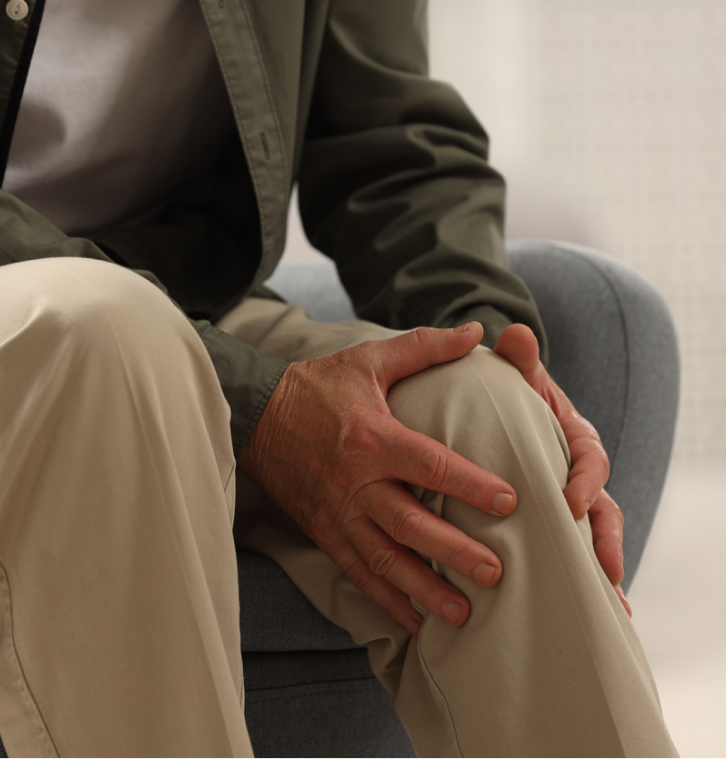
Knee arthritis affects millions worldwide, turning everyday activities into painful challenges. This guide delves into the types, causes, and symptoms of knee arthritis, offering insights on managing this condition. From understanding the basics to exploring treatment options like physical therapy, we’ll equip you with the knowledge to take control of your joint health and work towards a more comfortable, active lifestyle.
Knee arthritis is a degenerative joint condition that affects millions of people worldwide. It occurs when the cartilage in the knee joint breaks down, leading to pain, stiffness, and reduced mobility. This condition can significantly impact a person’s quality of life, making everyday activities challenging and sometimes painful.
There are several types of knee arthritis, with the most common being:
Recognizing the symptoms of knee arthritis is crucial for early diagnosis and treatment. Common symptoms include:
Living with knee arthritis can raise many questions about managing pain, treatment options, and maintaining an active lifestyle. This FAQ section addresses common concerns and provides valuable insights for those navigating life with knee arthritis. Whether you’re newly diagnosed or seeking to better understand your condition, these answers aim to provide clarity and guidance.
While there is no cure for knee arthritis, the condition can be effectively managed with proper treatment. This often includes a combination of physical therapy, lifestyle modifications, medications, and in some cases, surgical interventions. The goal of treatment is to reduce pain, improve joint function, and slow the progression of the disease. Physical therapy plays a crucial role in managing knee arthritis by strengthening the muscles around the joint, improving flexibility, and teaching proper body mechanics to reduce stress on the knee
Physical therapy is a cornerstone in the non-surgical management of knee arthritis. It helps in multiple ways:
Yes, several lifestyle modifications can help manage knee arthritis:
The duration of physical therapy treatment for knee arthritis varies depending on the individual’s condition, goals, and response to treatment. Typically, patients may start with 2-3 sessions per week for 4-6 weeks. However, knee arthritis is a chronic condition that requires ongoing management. After the initial intensive phase, patients often transition to a maintenance program with less frequent visits.
No, arthritis cannot be reversed. Osteoarthritis involves the physical wear and tear of cartilage, which cannot grow back. However, physical therapy can effectively reverse the symptoms. It reduces pain, restores lost mobility, and strengthens the joint to the point where many people can live completely pain-free lives without surgery.
Walking is generally excellent for arthritic knees. Cartilage does not have its own blood supply; it relies on the compression and release of joint movement (like walking) to pump in nutrients and stay healthy. Unless you are experiencing a severe, acute flare-up of pain, regular walking on flat surfaces helps lubricate the joint and reduce stiffness.
Physical therapy slows down arthritis by correcting joint mechanics. When the muscles around your knee (especially your quadriceps) are weak, the joint absorbs the shock of every step, accelerating cartilage breakdown. PT builds up these supporting muscles, acting as a natural “shock absorber” to take the pressure off the joint and protect the remaining cartilage.
Both, depending on what your knee needs:
Early warning signs that the condition is progressing include: