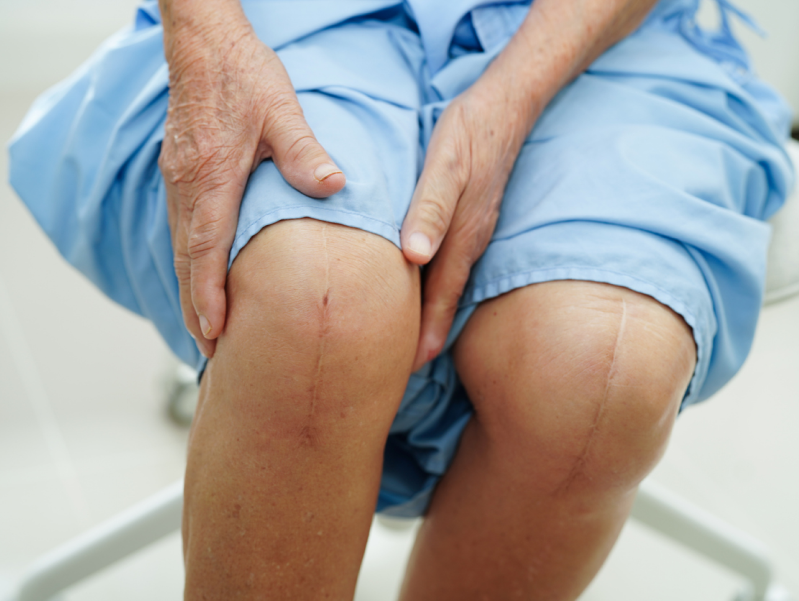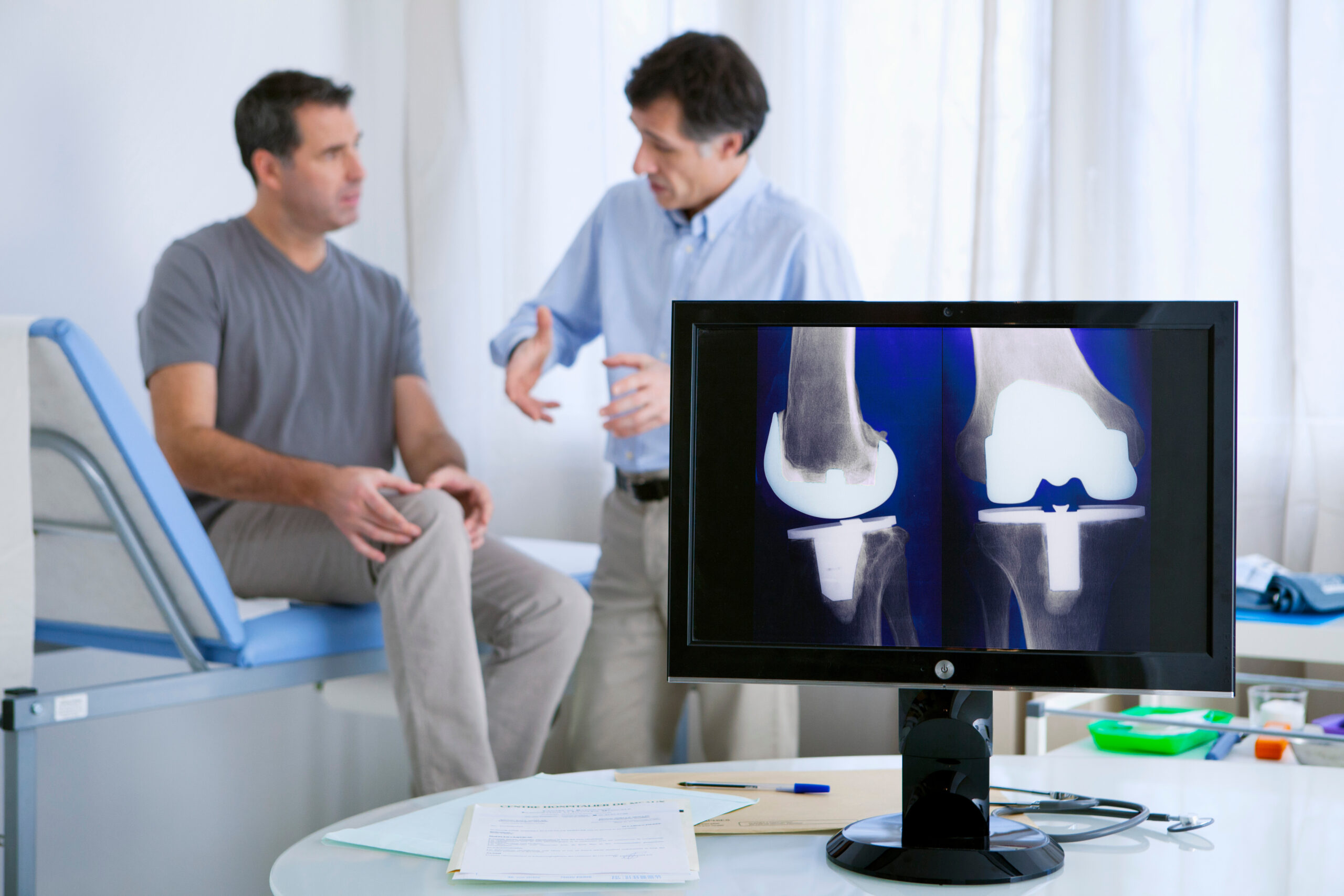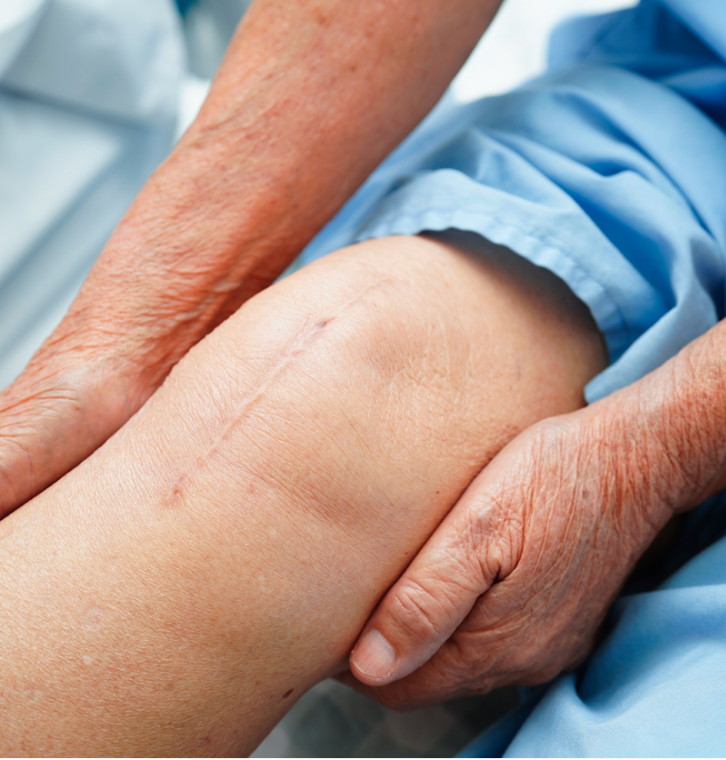
Knee replacement surgery offers a new beginning for those with chronic pain, yet the path to full mobility often involves managing pain after knee surgery and navigating a complex TKA recovery timeline. Our dedicated physical therapy team is here to ensure that your recovery is seamless, providing the clinical expertise and personalized care needed to turn a successful procedure into a lifetime of movement.
Knee replacement pain refers to discomfort experienced after undergoing total or partial knee replacement surgery. While knee replacement surgery is typically performed to alleviate chronic pain from conditions like osteoarthritis, some patients may experience pain during the recovery process or even long after the procedure. This pain can range from mild discomfort to more severe sensations and may impact daily activities and quality of life.
Managing pain after knee surgery requires a proactive strategy, especially when discomfort fluctuates throughout the day. Many patients find that their knee hurts more at night, a common occurrence caused by increased inflammation following a day of movement and the lack of external distractions during rest. Several factors can also contribute to pain after knee replacement surgery:
Successful post-operative knee rehabilitation focuses on managing this swelling through elevation, compression, and gentle movement, which in turn reduces pressure on the surgical site and improves overall comfort.
Managing pain after knee surgery requires a proactive strategy that accounts for how the body heals. One of the most frequent challenges is understanding why a knee replacement often hurts more at night; this is typically due to a combination of increased inflammation from the day’s activities and the lack of external distractions during rest. Symptoms of knee replacement pain can vary depending on the underlying cause and may include:
Controlling the environment around the joint is equally vital. While the most intense surgical swelling typically subsides within the first few weeks, minor residual fluid can persist for three to six months. Successful post-operative knee rehabilitation emphasizes elevation, compression, and movement to flush this fluid, which reduces pressure on the surgical site and improves overall comfort.
The journey toward full mobility after a Total Knee Arthroplasty (TKA) is a multi-stage process. While the goal is long-term knee replacement pain relief, the initial TKA recovery timeline is often defined by managing post-surgical inflammation and protecting the new joint.
Patients typically move from using a walker to unassisted walking between weeks two and four, depending on their balance and quadriceps strength. However, the path isn’t always linear; for instance, experiencing sharp pain around the six-week mark can be a normal part of the healing process as activity levels increase and nerves begin to regenerate.
Undergoing knee replacement surgery is a significant step towards improving mobility and quality of life. However, it’s natural to have questions about pain during the recovery process and beyond. This FAQ section addresses common concerns about knee replacement pain, covering topics such as normal recovery expectations, pain management strategies, warning signs, and preventive measures. While these answers provide general guidance, it’s important to remember that each patient’s experience is unique.
It’s normal to experience some pain and discomfort for several weeks to a few months after knee replacement surgery. Most patients see significant improvement in pain levels within 3-6 months post-surgery. However, complete recovery and adaptation to the new joint can take up to a year. During this time, pain should gradually decrease as strength and function improve.
Managing pain after knee replacement surgery involves a multi-faceted approach. Follow your surgeon’s post-operative instructions carefully, which may include taking prescribed pain medications, applying ice to reduce swelling, and elevating your leg. Engage in the recommended physical therapy exercises to improve strength and flexibility. Maintain a healthy weight to reduce stress on your new joint. Use assistive devices as advised to support your knee during recovery.
While some pain is expected during recovery, certain symptoms warrant immediate medical attention. Contact your healthcare provider if you experience: severe pain that’s not relieved by prescribed medications, significant swelling or redness around the knee, fever or chills (which could indicate infection), warmth around the incision site, drainage from the wound, or sudden inability to bear weight on the leg. Additionally, if you notice a dramatic decrease in range of motion, persistent numbness or tingling, or if pain worsens instead of gradually improving over time, these could be signs of complications that require prompt evaluation.
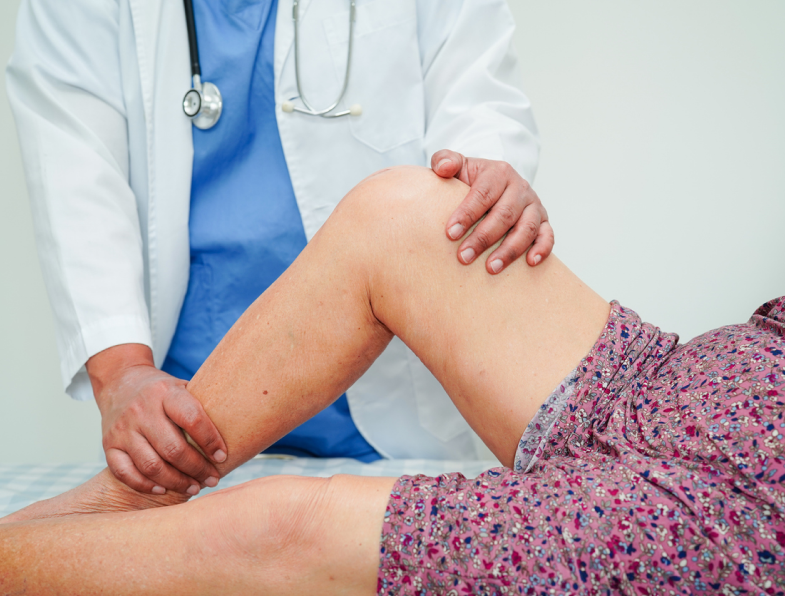
Physical therapy plays a crucial role in managing pain and promoting recovery after knee replacement surgery. A physical therapy program typically includes:
Generally, no. While dull aches, soreness, and occasional twinges are perfectly normal at 6 weeks, sudden or persistent sharp pain is not. It could be a sign of scar tissue catching, an irritated nerve, or a mechanical issue. If you experience sharp, shooting pain—especially if accompanied by a fever or sudden swelling—you should contact your surgeon.
Moderate swelling is a normal part of the healing process and typically lasts for 3 to 6 months after surgery. However, minor residual swelling, especially after exercise or at the end of a long day, can persist for up to a full year. Regular icing, elevation, and wearing compression stockings can help manage it.
Yes, physical therapy is the primary treatment for stiffness. A stiff knee is usually caused by scar tissue or tight muscles. A physical therapist will use targeted stretching, joint mobilization techniques, and strengthening exercises to break up scar tissue and restore your range of motion. For the best results, it is crucial to address stiffness early in the recovery process.
Night pain is incredibly common and is usually driven by a few factors:
Most patients transition away from a walker within 1 to 3 weeks after surgery, moving first to a cane or crutches, and then to walking independently. However, there is no fixed timeline. You can safely stop using assistive devices once you can walk without a limp, have good balance, and your physical therapist or surgeon clears you to do so.