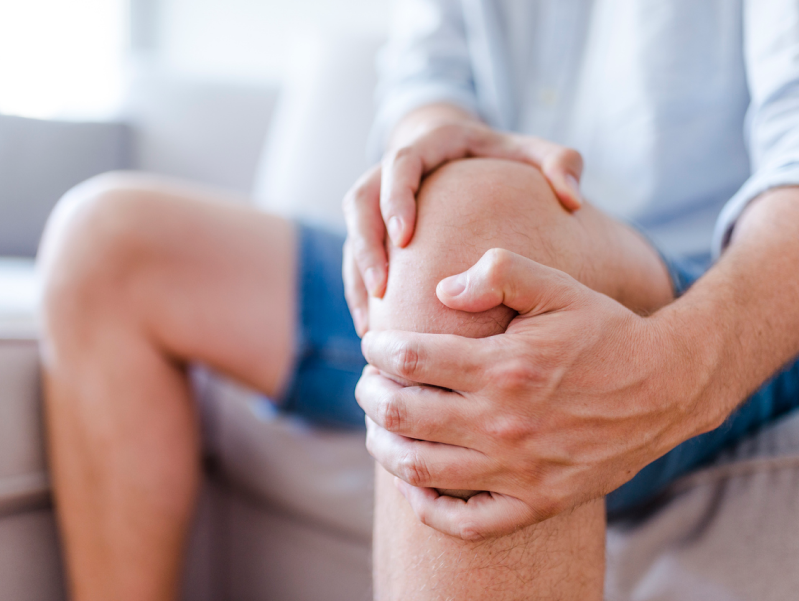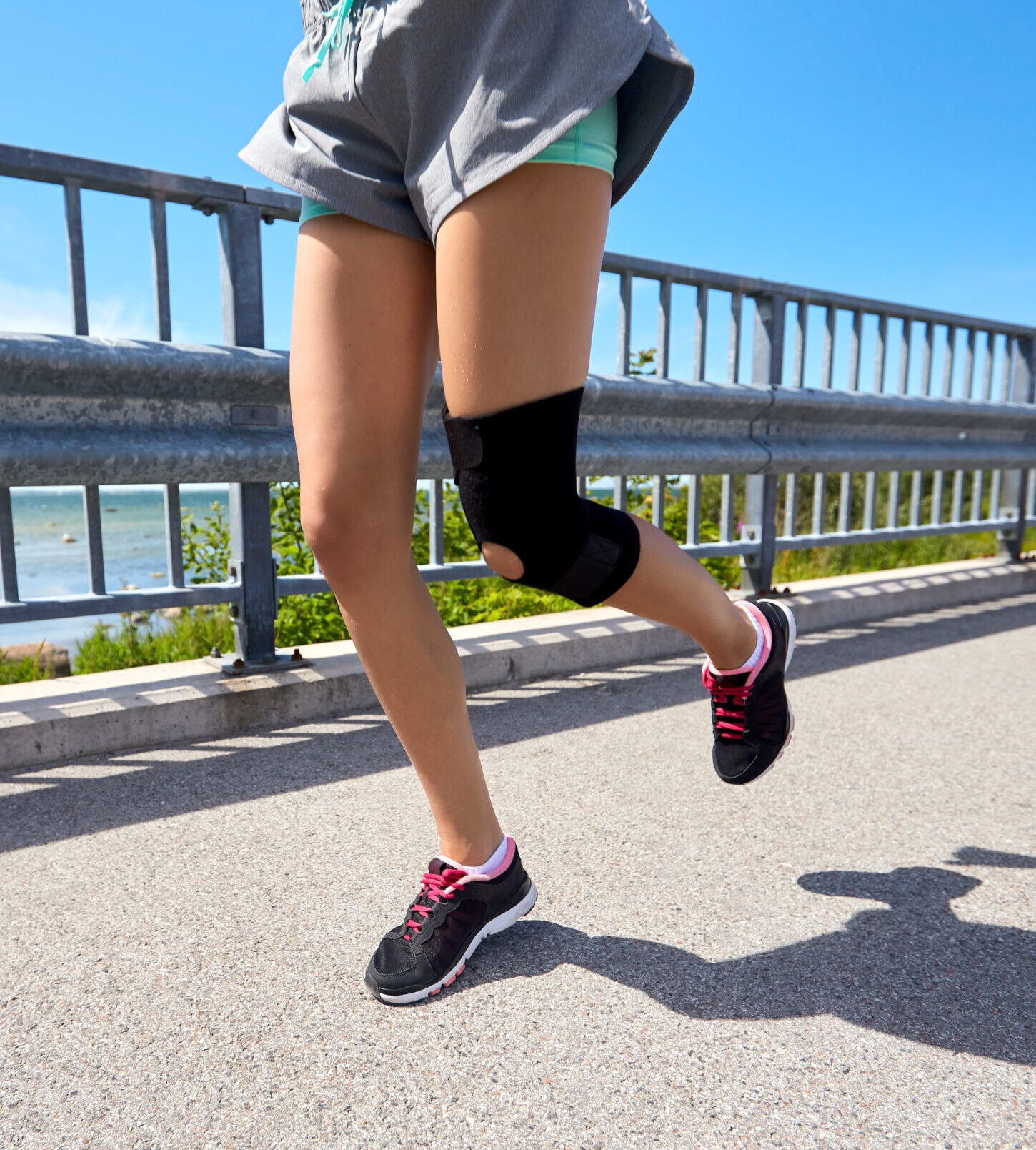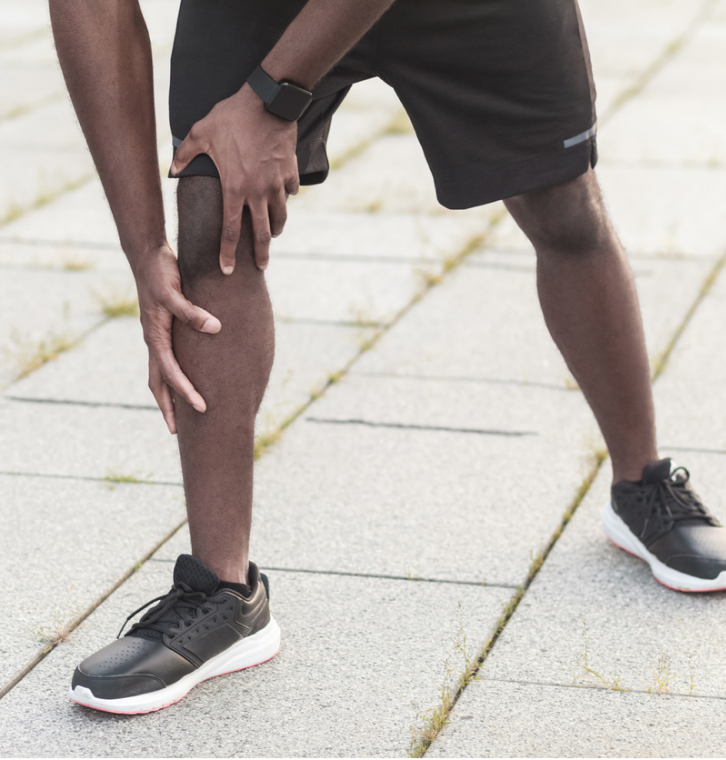
Patellar tendonitis, often referred to as “jumper’s knee,” is a common overuse injury that affects athletes and active individuals. This condition can be both painful and debilitating, impacting one’s ability to participate in sports and daily activities.
The good news is that early intervention and patellar tendonitis physical therapy can help reduce pain, restore strength, and improve movement patterns so you can return to the activities you enjoy. At ATI Physical Therapy, we specialize in treating patellar tendonitis, helping patients recover and return to their active lifestyles.
Patellar tendonitis is an overuse injury that causes inflammation or irritation of the patellar tendon, the strong band of tissue that connects the kneecap (patella) to the shinbone (tibia). This tendon is essential for straightening the knee and generating power during movements like walking, running, jumping, kicking, and climbing stairs.
The condition develops when repetitive stress places more strain on the tendon than it can recover from, leading to tiny areas of damage that cause pain and tenderness. Although patellar tendonitis is often associated with athletes who participate in jumping sports such as basketball or volleyball, earning it the nickname jumper’s knee, it can affect anyone whose daily activities or exercise routine repeatedly load the knee.

Several factors can increase your risk of developing jumper’s knee, including:
Symptoms usually begin gradually and may worsen over time if the tendon continues to be overloaded.
Common signs include:
In more advanced cases, pain may persist even during walking or daily activities.
You may come across both patellar tendonitis and patellar tendinopathy when researching knee pain. While they’re closely related, they aren’t exactly the same.
In practice, healthcare providers may use these terms interchangeably, but understanding the distinction can help explain why some cases resolve quickly while others require a longer recovery.
Although often associated with competitive athletes, patellar tendonitis can affect people of all ages and activity levels.
You may have a higher risk if you:
Basketball, volleyball, and track and field athletes commonly develop jumper’s knee because of repetitive jumping and landing.
Distance runners and sprinters place repeated stress on the knee during training, particularly if mileage or intensity increases too quickly.
Activities like CrossFit, HIIT workouts, and plyometric training can overload the patellar tendon when not balanced with adequate recovery.
Frequent squatting, climbing, kneeling, or lifting may contribute to repeated tendon stress.
After time away from exercise or injury, resuming previous activity levels too rapidly can increase the likelihood of developing tendon pain.
Navigating the world of patellar tendonitis can feel overwhelming, but you’re not alone in your quest for answers. In this FAQ section, we’ve compiled the most common questions our patients ask about this knee condition. From understanding the basics to exploring treatment options and recovery timelines, we’re here to shed light on your concerns. Whether you’re an athlete sidelined by a jumper’s knee or someone experiencing knee pain for the first time, these answers will help address patellar tendonitis and empower you to take control of your knee health.
Recovery time for patellar tendonitis can vary significantly depending on the severity of the condition and how quickly treatment is initiated. For mild cases caught early, recovery might take 2-3 weeks with proper rest and physical therapy. However, more severe or chronic cases can take 6 weeks to several months for full recovery. It’s important to note that rushing back to full activity too soon can lead to re-injury and prolonged recovery time.
While it’s important to avoid activities that exacerbate your symptoms, complete rest is not always necessary or beneficial for patellar tendonitis. Low-impact exercises and specific strengthening exercises can aid in recovery. Your physical therapist can guide you on appropriate exercises that won’t strain the injured tendon. These might include:
While mild cases of patellar tendonitis may improve with rest and home care, it’s not recommended to rely solely on self-healing. Without proper treatment and rehabilitation, the condition can worsen or become chronic. Professional intervention, particularly physical therapy, is crucial for several reasons:
Physical therapy for patellar tendonitis offers numerous benefits: