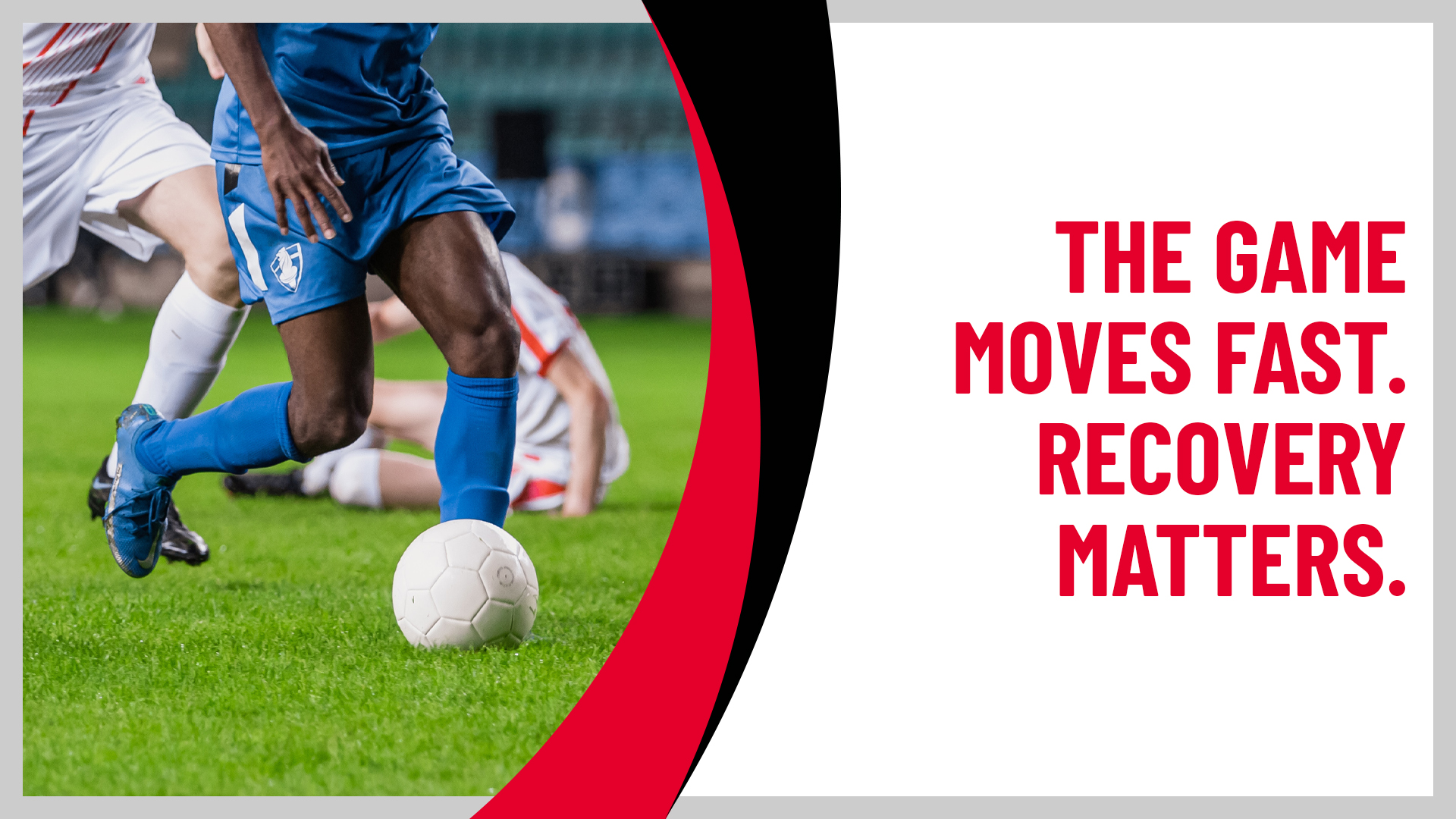
With the 2026 FIFA World Cup now underway, soccer is top of mind for millions of fans and athletes around the world. Whether you’re stepping onto the field yourself or watching your favorite players compete on the sport’s biggest stage, understanding common soccer injuries can provide valuable insight into the physical demands of the game. This guide explains some of the most common soccer injuries, what they may mean, how they are typically treated, and when it may be time to seek help from a physical therapist.
For players, recognizing symptoms early can help prevent minor issues from becoming more serious and support a safer return to play. For fans, understanding common injuries can provide context for the recovery challenges professional athletes often face throughout a season or tournament.
Reviewed and contributions made by VP of Clinical Development Thomas Denninger
Key Takeaways
- Soccer injuries can affect players of all ages and skill levels.
- Ankle sprains, knee injuries, hamstring strains, and groin injuries are among the most common soccer-related injuries.
- Understanding symptoms can help you determine when to rest, seek treatment, or return to play.
- Injury prevention strategies can reduce the risk of missing valuable playing time.
- Physical therapy can help athletes recover safely and return to competition.
By the Numbers: Soccer Injuries and Participation
Soccer is one of the most popular sports in the world, but the physical demands of the game also contribute to a significant number of injuries each year.
- Teams that perform the FIFA 11+ warm-up program can reduce overall injury rates by up to 39% and lower-extremity injuries by up to 43%. Source: FIFA 11+ Research
- An estimated 5.2 million youth athletes participate in organized soccer annually in the United States, making it one of the country’s most popular youth sports. Source: Sports & Fitness Industry Association (SFIA)
- Ankle sprains account for approximately 16% to 29% of all soccer injuries, making them one of the most common injuries in the sport. Source: International Journal of Sports Physical Therapy
These numbers highlight both the popularity of soccer and the importance of injury prevention, proper training, and timely treatment when injuries occur.
If you’re experiencing pain, recovering from an injury, or looking to improve your movement and performance, come to ATI Physical Therapy for an initial evaluation. Our team can help identify the cause of your symptoms and develop a personalized treatment plan to help you safely return to the activities you enjoy. In most cases, no doctor’s referral is needed to begin care.
Why Soccer Injuries Happen
Soccer combines sprinting, cutting, jumping, kicking, and physical contact, often for long periods with little rest. These demands place stress on the muscles, joints, tendons, and ligaments throughout the body. While some injuries happen suddenly during a tackle or awkward landing, others develop gradually over time due to repetitive stress.
Understanding why injuries occur can help players take steps to reduce their risk and stay healthy throughout the season.
Rapid Changes in Direction
Soccer players frequently cut, pivot, and change direction at high speeds. These movements place significant stress on the knees and ankles and can contribute to ligament injuries when the body is not adequately prepared for the load.
Repetitive Running
A soccer player may cover several miles during a single match. The repetitive nature of running and sprinting can contribute to overuse injuries involving the knees, shins, hips, and feet.
Jumping and Landing
Whether contesting a header or reacting to a rebound, soccer players regularly jump and land under unpredictable conditions. Poor landing mechanics may increase stress on the lower extremities and elevate injury risk.
Contact and Collisions
Although soccer is not traditionally viewed as a collision sport, player-to-player contact is common. Tackles, accidental collisions, and awkward falls can all contribute to acute injuries.
Common Soccer Injuries and What They Mean
Many soccer injuries share similar symptoms, making it difficult to know exactly what is wrong without a proper evaluation. Understanding what common symptoms may indicate can help athletes make informed decisions about treatment and recovery.
Ankle Sprains
Ankle sprains are among the most common injuries in soccer and occur at every level of play, from youth leagues to the World Cup.
Symptoms:
- Swelling
- Bruising
- Pain while walking
- Difficulty changing direction
What It May Mean:
- Stretched or torn ankle ligaments
- Joint instability
- Reduced balance and mobility
Knee Pain and ACL Injuries
Knee injuries are among the most feared injuries in soccer because they can significantly impact mobility and, in some cases, require surgery.
Symptoms:
- A popping sensation
- Swelling
- Knee instability
- Pain during cutting movements
What It May Mean:
- ACL injury
- Meniscus injury
- Patellofemoral pain syndrome
Hamstring Strains
Hamstring injuries are frequently seen among elite soccer players due to the repeated sprinting demands of the sport.
Symptoms:
- Sudden pain in the back of the thigh
- Tightness
- Weakness
- Difficulty sprinting
What It May Mean:
- Muscle strain
- Partial muscle tear
- Reduced flexibility and strength
Groin Strains
Groin injuries commonly occur during kicking, sprinting, and rapid changes of direction.
Symptoms:
- Inner thigh pain
- Pain while kicking
- Discomfort when changing direction
What It May Mean:
- Adductor strain
- Muscle irritation
- Reduced hip mobility
Shin Splints
Shin splints often develop gradually and are especially common during periods of increased training.
Symptoms:
- Pain along the shin bone
- Soreness during or after running
- Tenderness to touch
What It May Mean:
- Overuse injury
- Training load imbalance
- Early stress-related irritation
Concussion Symptoms
Head injuries should always be taken seriously. Concussions can occur during collisions, falls, or contact with another player’s head, shoulder, or elbow.
Symptoms:
- Headache
- Dizziness
- Confusion
- Sensitivity to light
- Difficulty concentrating
What It May Mean:
- Possible concussion requiring medical evaluation
What to Do After a Soccer Injury
The moments immediately following an injury can have a significant impact on recovery. While some injuries are minor and resolve quickly, others require medical attention or a structured rehabilitation program. Understanding how to respond after an injury can help reduce further damage and improve your chances of returning to play safely.
If symptoms are severe, worsen over time, or prevent normal movement, it is important to seek professional evaluation.
Stop Playing if Symptoms Increase
Continuing to play through pain may worsen an injury and extend recovery time. If pain, swelling, instability, or dizziness develops, it is best to stop activity and assess the situation.
Protect the Injured Area
Avoid movements that aggravate symptoms and consider using supportive measures such as a brace or crutches, if recommended by a healthcare professional.
Begin Gentle Movement When Appropriate
Complete rest is not always the answer. Depending on the injury, gentle movement and controlled activity may help maintain mobility and promote recovery.
Seek Evaluation if Symptoms Persist
Pain that lasts more than a few days, recurring injuries, significant swelling, or feelings of instability should be evaluated by a qualified healthcare provider or physical therapist.
Soccer Injury Prevention Tips
While no athlete can eliminate injury risk entirely, there are several strategies that can help reduce the likelihood of injury. Consistency is often more important than intensity when it comes to injury prevention. Small habits performed regularly can have a significant impact throughout a season.
Professional teams around the world invest heavily in injury prevention because keeping athletes healthy improves performance. Recreational and youth athletes can benefit from many of the same principles.
Warm Up Before Every Practice and Game
Dynamic warm-ups prepare muscles and joints for activity while improving movement quality and reaction time.
Build Strength Throughout the Season
Strong muscles help absorb force, stabilize joints, and reduce stress on the body during high-demand activities.
Improve Balance and Coordination
Balance training can improve body awareness and may help reduce the risk of ankle and knee injuries.
Avoid Sudden Training Increases
Large increases in training volume, intensity, or frequency can place excessive stress on the body and increase injury risk.
Prioritize Recovery
Adequate sleep, hydration, nutrition, and rest days all play important roles in injury prevention and athletic performance.
Soccer Warm-Up Exercises
A proper warm-up helps prepare the body for the physical demands of soccer. These exercises are commonly used to increase blood flow, improve mobility, activate key muscle groups, and prepare athletes for sprinting, cutting, and jumping activities.
Perform these movements in a controlled manner and focus on quality movement rather than speed.
Leg Swings
- 10 forward and backward
- 10 side to side per leg
Walking Lunges
- 10 repetitions per side
- Maintain an upright posture throughout the movement
High Knees
- 2 sets of 20 feet
- Focus on quick, controlled movements
Lateral Shuffles
- 2 sets of 20 feet in each direction
- Keep knees slightly bent and stay athletic
Single-Leg Balance
- Hold for 30 seconds per side
- Repeat twice
- Progress by closing your eyes or standing on an unstable surface
When to See a Physical Therapist
Many soccer injuries improve with time and appropriate management, but some symptoms require additional attention. Persistent pain, repeated injuries, limited mobility, or difficulty returning to sport may indicate underlying issues that should be addressed.
Physical therapists work with athletes of all ages and skill levels to identify movement limitations, restore strength, improve mobility, and create individualized return-to-play plans. Whether you’re recovering from a recent injury or trying to prevent future problems, physical therapy can help you stay active and perform at your best.
If you’re experiencing pain, recovering from an injury, or looking to improve your movement and performance, come to ATI Physical Therapy for an initial evaluation. Our team can help identify the cause of your symptoms and develop a personalized treatment plan to help you safely return to the activities you enjoy. In most cases, no doctor’s referral is needed to begin care.
Ready to take the next step?
Book an Evaluation Today
Frequently Asked Questions
What is the most common soccer injury?
Ankle sprains are among the most common soccer injuries across all age groups and levels of competition.
Can physical therapy help after an ACL injury?
Yes. Physical therapy is an essential part of recovery following an ACL injury and can help improve strength, mobility, balance, and confidence during the return-to-play process.
How can I reduce my risk of soccer injuries?
A combination of proper warm-ups, strength training, balance exercises, gradual training progression, and adequate recovery can help reduce injury risk.
Should I play through pain during a soccer match?
Pain is often a signal that something may be wrong. Continuing to play through significant pain can increase the risk of worsening an injury.
When should I see a physical therapist for a soccer injury?
If pain persists, limits activity, repeatedly returns, or affects your ability to play, a physical therapy evaluation may help identify the cause and guide recovery.