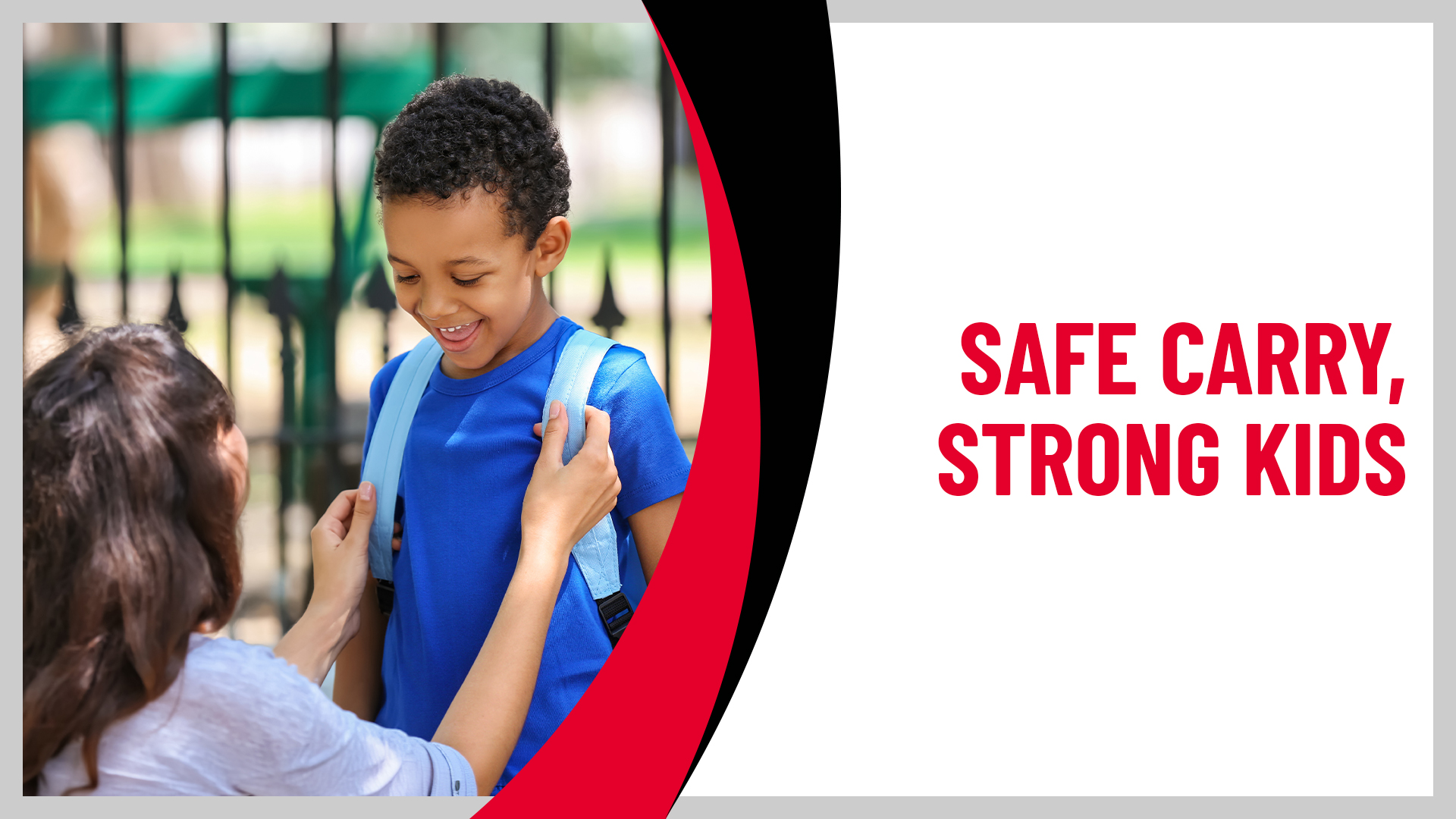
Backpacks are not just a school-year issue. During the summer, kids often carry bags for camp, vacations, sports, sleepovers, day trips, and airport travel. Water bottles, snacks, tablets, sports gear, extra clothes, sunscreen, and camp supplies can add up quickly. When bags are too heavy or worn improperly, they can place unnecessary stress on the back, shoulders, and neck. This guide explains how to choose and wear a backpack safely, common signs of strain, and simple ways to help kids stay comfortable and active during summer activities.
Reviewed and contributions made by VP of Clinical Development Thomas Denninger
Key Takeaways
- Heavy or poorly fitted backpacks can contribute to back, neck, and shoulder discomfort.
- A child’s backpack should generally stay within 10 to 15 percent of their body weight.
- Wearing both shoulder straps helps distribute weight more evenly.
- Summer camp, sports, travel, and day trips can all create backpack-related strain.
- In most cases, no doctor’s referral is needed to begin care at ATI Physical Therapy.
What Backpack Safety Matters
Many families think backpack-related strain is mostly limited to the school year, but kids often continue carrying bags regularly during the summer months. Camp supplies, sports gear, travel bags, and activity backpacks can still place repeated stress on growing muscles and joints.
Summer bags can also be heavier than expected. A backpack packed with a large water bottle, lunch, towel, extra clothes, books, electronics, sunscreen, and sports gear may put more strain on a child’s body than parents realize. Long walks through airports, amusement parks, campsites, or sports complexes can make that strain worse.
When kids carry too much weight or wear a backpack incorrectly, they may lean forward, round their shoulders, shift weight to one side, or change the way they walk. These adjustments may seem small, but over time, they can contribute to soreness in the back, neck, and shoulders.
Building safer backpack habits year-round can help kids move more comfortably during summer activities and support better posture as they grow.
By the Numbers: Backpack Use and Child Health
Backpack-related discomfort is common among school-age children and adolescents, and summer activities can continue many of the same movement and carrying demands.
- Keep backpack weight under 10 to 15 percent of a child’s body weight. The American Academy of Pediatrics says backpacks should not weigh more than 15 percent of a child’s body weight, while Children’s Hospital Los Angeles cites the AAP’s 10 to 15 percent recommendation. For an 80-pound child, that means about 8 to 12 pounds max. (HealthyChildren.org)
- Watch the fit, not just the weight. Nationwide Children’s Hospital recommends weighing both the child and the backpack, keeping the load at no more than 10 percent of body weight, and adjusting straps so the pack does not sit more than 4 inches below the waistline. (NationwideChildrens.org)
- Support strength and movement outside of backpack use. The World Health Organization recommends that children and adolescents ages 5 to 17 get at least 60 minutes of moderate-to-vigorous physical activity daily, with muscle- and bone-strengthening activities at least 3 days per week. (World Health Organization)
These trends highlight why proper backpack use and movement habits matter throughout the year, including during summer travel and camp activities.
Signs a Backpack May Be Too Heavy
Kids may not always recognize when a backpack is placing too much strain on their body. In many cases, signs of discomfort develop gradually and may first show up as changes in posture, movement, or energy levels during activities. Paying attention to these early warning signs can help prevent minor soreness from becoming more persistent discomfort.
Leaning Forward While Walking
If a child leans forward to balance the backpack, it may be too heavy or poorly positioned.
Shoulder or Neck Discomfort
Straps that dig into the shoulders or complaints of soreness may indicate excess load or improper fit.
Red Marks or Pressure Areas
Visible marks on the shoulders after removing the backpack may suggest the weight is not being distributed properly.
Changes in Posture
Rounded shoulders or difficulty standing upright can signal that the backpack is contributing to strain.
Trouble Putting the Backpack on or Taking It Off
If a child struggles to lift the backpack, swings it awkwardly onto one shoulder, or needs help carrying it, the load may be too heavy.
Fatigue During Normal Activities
If a child tires quickly while walking through camp, the airport, or a day trip location, the backpack may be adding unnecessary stress.
If your child is experiencing back, neck, or shoulder discomfort related to backpack use or activity, come to ATI Physical Therapy for an initial evaluation. We will build a personalized plan around your child’s needs and goals. In most cases, no doctor’s referral is needed to begin care.
How to Choose the Right Backpack
The right backpack can make a big difference in comfort and posture. When choosing a backpack for camp, travel, or daily activities, look for features that help distribute weight and reduce pressure.
Choose Wide, Padded Shoulder Straps
Wide straps help spread pressure across the shoulders. Thin straps can dig into the skin, especially when the bag is heavy.
Look for a Padded Back
A padded back can improve comfort and help prevent hard items inside the bag from pressing into the child’s back.
Use Multiple Compartments
Compartments make it easier to distribute weight evenly. They also help keep heavier items closer to the body.
Consider Chest or Waist Straps
For longer walks, travel days, or outdoor activities, chest or waist straps can help stabilize the backpack and reduce shifting.
Keep the Backpack Lightweight
The backpack itself should not add unnecessary weight. Choose a bag that is sturdy but not bulky.
Match the Backpack to the Activity
A full hiking-style backpack may be useful for outdoor camping or travel, but it may be too large for everyday use. For shorter activities, a smaller bag may help prevent overpacking.
How to Improve Backpack Safety
Small adjustments to backpack setup and carrying habits can make a significant difference in comfort and posture. The goal is not to avoid backpacks entirely, but to reduce unnecessary stress while helping kids move naturally and comfortably during travel, camp, and other activities.
Use Both Shoulder Straps
Wearing both straps helps distribute weight evenly across the body and reduces strain on one side.
Adjust the Fit
The backpack should sit close to the body and rest slightly above the waist, not hanging low.
Pack Heavier Items Close to the Back
Placing heavier objects near the center of the back helps improve balance and reduce pulling forces.
Lighten the Load
Encourage kids to carry only what they need and remove unnecessary items regularly.
Simple Exercises to Support Posture and Comfort
Movement and posture exercises can help support strength, flexibility, and overall comfort during periods of increased backpack use. These exercises are simple, quick, and appropriate for most school-age children. Performing them consistently can help reduce stiffness and support healthier posture during daily activities.
Move slowly and stop if pain increases.
Shoulder Blade Squeezes
- Sit or stand upright
- Gently squeeze shoulder blades together
- Hold for 2 seconds
- Perform 2 sets of 10 repetitions
Wall Posture Hold
- Stand with head, shoulders, and back against a wall
- Hold posture while breathing normally
- Hold for 20 seconds
- Repeat 3 times
Chest Stretch
- Stand in a doorway with forearms on each side
- Gently lean forward until a stretch is felt in the chest
- Hold for 20 to 30 seconds
- Repeat 2 times
Shoulder Rolls
- Sit or stand tall.
- Slowly roll the shoulders backward in a comfortable circle.
- Perform 10 repetitions.
- Repeat as needed after carrying a backpack.
When to See a Physical Therapist
Occasional soreness after a long day of travel or activity may improve with rest, lighter packing, and better backpack fit. But if pain continues, worsens, or begins affecting daily activities, it may be time to seek guidance. Parents should consider physical therapy if a child:
- Regularly complains of back, neck, or shoulder pain.
- Changes posture while walking or standing.
- Avoids activities because of discomfort.
- Has pain that does not improve after adjusting backpack weight or fit.
- Experiences discomfort during camp, sports, travel, or school activities.
A physical therapist can evaluate posture, movement, strength, and flexibility to identify factors contributing to discomfort. They can also recommend strategies to improve backpack fit, carrying habits, and overall movement patterns.
Ready to take the next step?
Book an Evaluation Today
Frequently Asked Questions
How heavy should a child’s backpack be?
A child’s backpack should generally weigh no more than 10 to 15 percent of their body weight. A child should also be able to stand upright, walk comfortably, and put the backpack on without struggling.
Is carrying a backpack on one shoulder bad?
Carrying a backpack on one shoulder can place uneven stress on the neck, shoulders, and back. Wearing both straps helps distribute weight more evenly.
Can backpacks affect posture?
Heavy or poorly fitted backpacks may contribute to posture changes and discomfort over time.
What should kids pack for summer camp without making the backpack too heavy?
Pack only what is needed for the day. Common items like water bottles, snacks, sunscreen, towels, extra clothes, books, and sports gear can add weight quickly. Place heavier items close to the back and remove unnecessary items daily.
Can physical therapy help with backpack-related pain?
Yes. Physical therapy can help improve posture, strength, and movement patterns that contribute to discomfort.