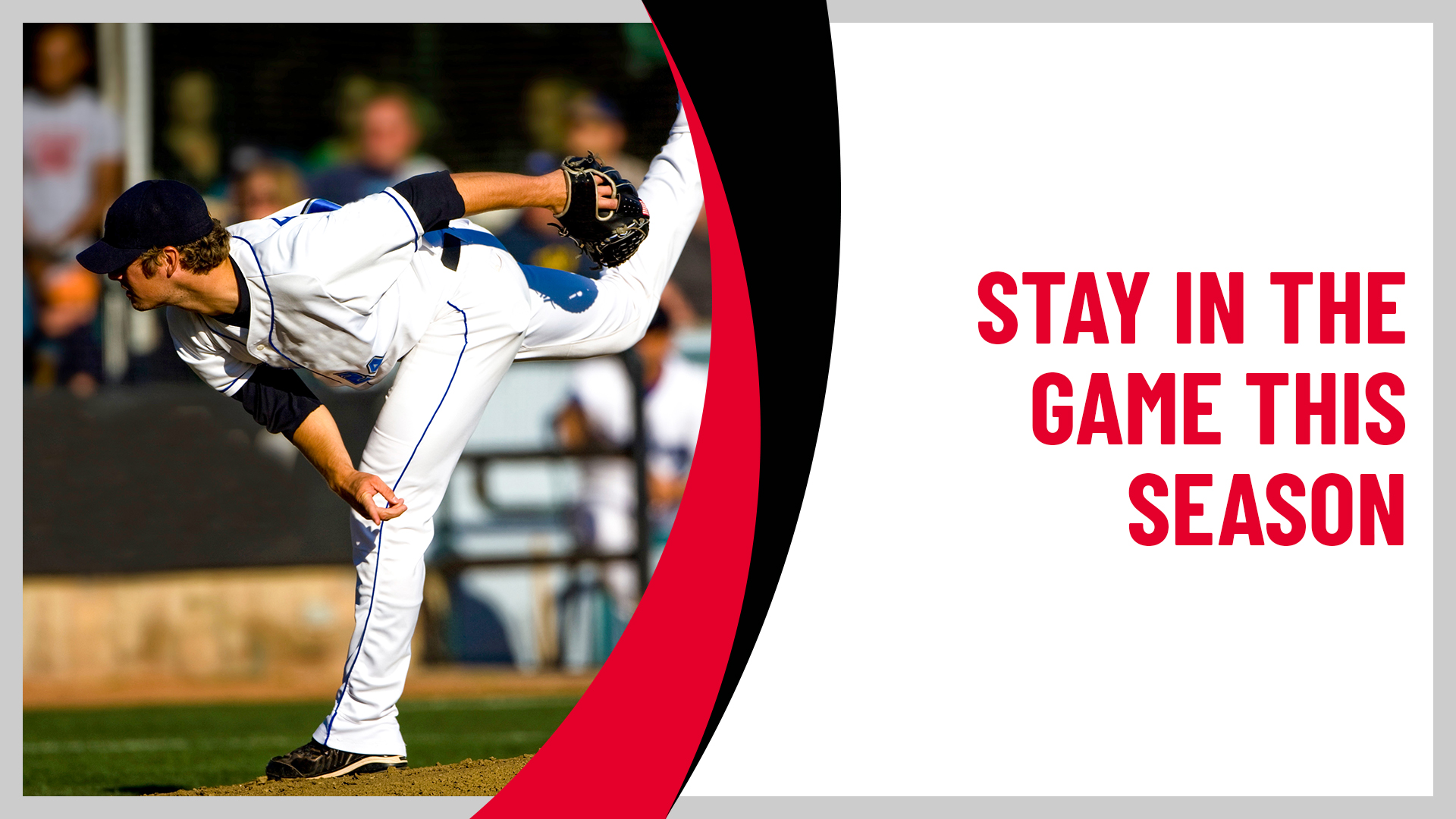
As Major League Baseball reaches the heart of its season, injury reports become just as common as box scores. Pitchers leave games with elbow discomfort, hitters battle oblique strains, and position players spend weeks recovering from shoulder or hamstring injuries. While these injuries affect professional athletes, they can also happen to youth, high school, college, and recreational baseball players.
Whether you’re stepping onto the diamond yourself or following your favorite team throughout the MLB season, understanding common baseball injuries can help you better recognize symptoms, understand what they may mean, and know when it’s time to seek treatment. This guide explains some of baseball’s most common injuries, how they typically occur, and how physical therapy can help athletes safely return to play.
Reviewed and contributions made by physical therapist and sports specialist Daniel Kline, DPT, SCS, ATC, author of Risk Factors and Injury Prevention in the Throwing Athlete – Kline – 2025 – Arthroscopy, Sports Medicine, and Rehabilitation – Wiley Online Library
Key Takeaways
- Baseball places repetitive stress on the shoulder, elbow, trunk, and lower body.
- Many baseball injuries begin as minor discomfort before developing into more serious conditions.
- Early evaluation and treatment may reduce recovery time and lower the risk of reinjury.
- Physical therapy plays an important role in both injury recovery and prevention.
- In most cases, no doctor’s referral is needed to begin care at ATI Physical Therapy.
By the Numbers: Baseball Injuries
Baseball may not involve constant contact like football or hockey, but the repetitive nature of throwing, swinging, and sprinting creates unique injury risks throughout every season.
- Approximately 40% of injuries in Major League Baseball involve the shoulder or elbow, reflecting the significant demands placed on a player’s throwing arm.
Source: Major League Baseball Health and Injury Tracking System (HITS) - Up to 40% of youth baseball pitchers develop overuse injuries, with the shoulder and elbow being the most commonly affected areas.
Source: Ann & Robert H. Lurie Children’s Hospital of Chicago - Youth pitchers who continue throwing while fatigued are 36 times more likely to suffer a serious shoulder or elbow injury than those who stop when fatigue develops.
Source: Little League Baseball University
These statistics reinforce the importance of proper throwing mechanics, appropriate recovery, and addressing pain or fatigue early before minor issues become more serious injuries.
If you’re experiencing baseball-related pain or recovering from an injury, ATI Physical Therapy can help. Our physical therapists develop personalized rehabilitation programs that focus on restoring strength, improving movement, and helping athletes safely return to the game they love. In most cases, no doctor’s referral is needed to begin care.
Why Baseball Injuries Happen
Baseball may not seem as physically demanding as some sports, but every pitch, swing, and throw places stress on muscles, tendons, ligaments, and joints. Over the course of a long season, those repetitive movements can add up. While some injuries occur suddenly, many develop gradually from overuse, poor mechanics, or insufficient recovery between games.
Understanding why baseball injuries happen can help athletes recognize risk factors early and take steps to stay healthy throughout the season.
Repetitive Throwing
Pitching and throwing repeatedly places significant stress on the shoulder and elbow, especially during high-velocity throws.
High-Speed Rotational Movements
Batting requires explosive rotation through the hips, core, and shoulders, which can contribute to muscle strains if the body is not properly conditioned.
Year-Round Play
Many athletes now compete throughout the year with little time for recovery, increasing the risk of overuse injuries.
Sprinting and Quick Changes of Direction
Running the bases, fielding ground balls, and reacting quickly all place stress on the legs and lower body.
The Most Common Baseball Injuries
Even though baseball injuries can affect nearly every part of the body, several conditions occur far more frequently than others. Understanding what these injuries are and recognizing their symptoms early can help athletes receive appropriate care before minor issues become season-ending problems.
UCL Injuries (Tommy John Injury)
The ulnar collateral ligament (UCL) helps stabilize the elbow during throwing. Repetitive stress can damage this ligament, sometimes requiring surgery in severe cases.
Symptoms
- Pain on the inside of the elbow
- Loss of throwing velocity
- Difficulty controlling pitches
- A popping sensation during a throw
Rotator Cuff Injuries
Rotator cuff muscles help stabilize the shoulder throughout the throwing motion. Overuse can lead to inflammation, strains, or tears.
Symptoms
- Shoulder pain while throwing
- Weakness
- Pain reaching overhead
- Decreased throwing velocity
Shoulder Labrum Injuries
Labral injuries affect the cartilage that helps stabilize the shoulder joint and are common among overhead throwing athletes.
Symptoms
- Deep shoulder pain
- Clicking or catching sensations
- Reduced strength
- Difficulty throwing
Elbow Tendinitis
Repeated throwing can irritate the tendons around the elbow, causing inflammation and pain.
Symptoms
- Tenderness around the elbow
- Pain after throwing
- Stiffness
- Weak grip strength
Oblique Strains
The oblique muscles generate rotational power during hitting and throwing, making them susceptible to strains.
Symptoms
- Side or abdominal pain
- Pain during swinging
- Pain while rotating
Hamstring Strains
Explosive running during base stealing or fielding can overload the hamstring muscles.
Symptoms
- Pain in the back of the thigh
- Tightness
- Difficulty sprinting
What MLB Players Teach Us About Recovery
Professional baseball players have access to extensive medical teams, but one principle applies at every level of the game: successful recovery takes time and a structured plan. Returning too quickly after an injury can increase the risk of setbacks and prolonged time away from the field.
Physical therapy focuses on restoring strength, mobility, flexibility, and movement mechanics so athletes can safely return to throwing, hitting, and fielding with confidence.
Don’t Ignore Early Pain
Persistent soreness is often an early warning sign that deserves attention.
Recovery Is Different for Every Injury
Some conditions improve with conservative treatment, while others require a longer rehabilitation timeline.
Mechanics Matter
Improving throwing mechanics and overall movement patterns can reduce unnecessary stress on the body.
Baseball Injury Prevention Tips
While no athlete can eliminate injury risk completely, consistent training habits can significantly reduce the likelihood of overuse injuries. Prevention starts long before game day and should remain a focus throughout the season.
Warm Up Before Throwing
Prepare the shoulder, elbow, hips, and core before every practice and game.
Build Total-Body Strength
Strong legs, hips, and core muscles help reduce stress on the throwing arm.
Respect Pitch Counts
Avoid excessive throwing volume and allow adequate recovery between outings.
Listen to Your Body
Persistent pain should never be ignored or treated as a normal part of the game.
Baseball Arm Care Exercises
A consistent arm care routine can help improve shoulder mobility, strengthen the muscles that support the throwing arm, and reduce stress on the shoulder and elbow throughout the season. These exercises are commonly used as part of an arm care program for baseball players and can be performed before or after practice, depending on your training plan.
Move slowly and stop if you experience pain during any exercise.
Band External Rotations
- Secure a resistance band at waist height.
- Stand with your elbow bent to 90 degrees and tucked against your side.
- Rotate your forearm away from your body while keeping your elbow in place.
- Slowly return to the starting position.
Perform 2 sets of 12 repetitions per arm.
Why it helps: Strengthens the rotator cuff muscles that stabilize the shoulder during throwing.
Shoulder Blade Squeezes
- Sit or stand with good posture.
- Gently squeeze your shoulder blades together and slightly downward.
- Hold for 2 to 3 seconds before relaxing.
Perform 2 sets of 15 repetitions.
Why it helps: Improves shoulder blade stability, which is essential for efficient throwing mechanics.
Wall Slides
- Stand with your back against a wall.
- Place your arms against the wall in a “goal post” position.
- Slowly slide your arms overhead while keeping your elbows and wrists in contact with the wall.
- Return to the starting position.
Perform 2 sets of 10 repetitions.
Why it helps: Promotes shoulder mobility while activating the muscles that stabilize the shoulder blade.
Thoracic Rotations
- Begin on your hands and knees.
- Place one hand behind your head.
- Rotate your upper back toward the ceiling while following your elbow with your eyes.
- Return slowly and repeat before switching sides.
Perform 10 repetitions per side.
Why it helps: Improves upper back mobility, allowing the shoulder and elbow to move more efficiently during throwing.
Hip Flexor Stretch
- Kneel with one knee on the ground and the opposite foot in front.
- Shift your weight forward until you feel a gentle stretch in the front of the hip on the kneeling side.
- Keep your chest upright and avoid arching your back.
Hold for 30 seconds on each side.
Why it helps: Flexible hips improve lower-body power and reduce unnecessary stress on the shoulder and elbow during the throwing motion.
When to See a Physical Therapist
Shoulder pain, elbow discomfort, or repeated throwing-related injuries should not be ignored. Early evaluation can help identify movement limitations before they become more serious conditions.
If you’re experiencing baseball-related pain or recovering from an injury, ATI Physical Therapy can help. Our physical therapists develop personalized rehabilitation programs that focus on restoring strength, improving movement, and helping athletes safely return to the game they love. In most cases, no doctor’s referral is needed to begin care.
Ready to take the next step?
Book an Evaluation Today
Frequently Asked Questions
What is the most common baseball injury?
Shoulder and elbow injuries are among the most common injuries in baseball, particularly among pitchers.
What is a UCL injury?
A UCL injury involves damage to the ligament on the inside of the elbow that helps stabilize the joint during throwing.
Does every UCL injury require Tommy John surgery?
No. Many UCL injuries can be managed with rest, rehabilitation, and physical therapy depending on their severity.
Can physical therapy help baseball shoulder pain?
Yes. Physical therapy can improve strength, mobility, mechanics, and overall shoulder function while helping reduce future injury risk.
When should a baseball player stop throwing?
Throwing should stop if pain persists, throwing mechanics change significantly, or performance declines because of discomfort.