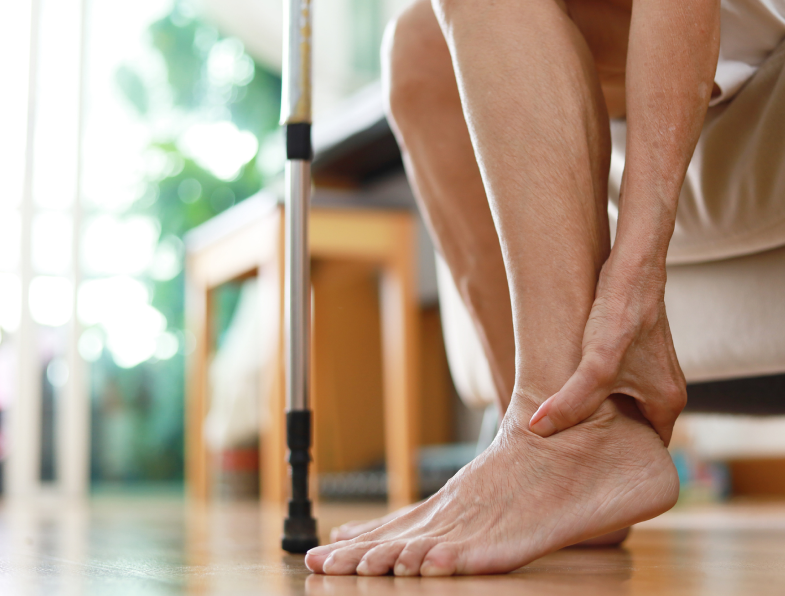
Foot pain is a widespread issue that can affect anyone, regardless of age or activity level. It can stem from various conditions, injuries, or structural problems in the foot. Understanding the causes of foot pain is crucial for effective treatment and recovery. At ATI Physical Therapy, our expert team is here to help you find relief and restore function to your feet.
Foot pain refers to any discomfort or soreness experienced in any part of the foot, from the toes to the heel and arch. It can range from mild to severe and may be acute (short-term) or chronic (long-lasting). Foot pain can significantly impact daily activities, mobility, and overall quality of life.
Foot pain can arise from numerous factors, including:
Foot pain symptoms can vary widely depending on the cause, but common indicators include:
We understand that you may have questions about foot pain and its treatment. To help you better understand your condition and the care options available, we’ve compiled a list of frequently asked questions. These cover common concerns about foot pain prevention, when to seek medical attention, the benefits of physical therapy, and helpful exercises. If you have additional questions after reading through these, please don’t hesitate to reach out to our team.
To prevent foot pain:
Consult a physical therapist for foot pain if:
Yes, physical therapy can be highly effective for chronic foot pain. It can help by:
Beneficial exercises for foot pain often include:
Dehydration primarily causes foot pain by triggering muscle cramps and spasms. When your body lacks sufficient fluids, it disrupts the balance of essential electrolytes like magnesium and potassium, leading the small muscles in your arches and toes to contract painfully. Furthermore, water acts as a lubricant for your joints and helps regulate inflammation; without it, existing conditions like gout or general stiffness can become significantly more intense.
Plantar fasciitis is caused by repetitive strain or excessive tension on the plantar fascia, the thick band of tissue that supports your arch. This stress often stems from physical factors like tight calf muscles, flat feet, or sudden weight gain, as well as external factors like wearing unsupportive shoes or standing for long periods on hard surfaces. Over time, this constant pressure creates micro-tears in the tissue, leading to the signature stabbing heel pain often felt during those first few steps in the morning.
During an initial evaluation, a physical therapist will review your medical history, assess your foot’s range of motion, strength, and alignment, and identify the likely source of your pain. From there, a personalized treatment plan is developed to address your specific needs and goals.
In many cases, staying moderately active is encouraged, but the type and intensity of activity should be guided by a healthcare professional. A physical therapist can recommend appropriate exercises that support healing without placing additional stress on the affected area.
Foot pain originates in the structures of the foot itself including the heel, arch, toes, and surrounding tissues, while ankle pain involves the joint connecting the foot to the lower leg. Although the two areas are closely related, the specific location and cause of pain directly influence which physical therapy techniques and exercises are most appropriate for recovery.