Gait and Balance

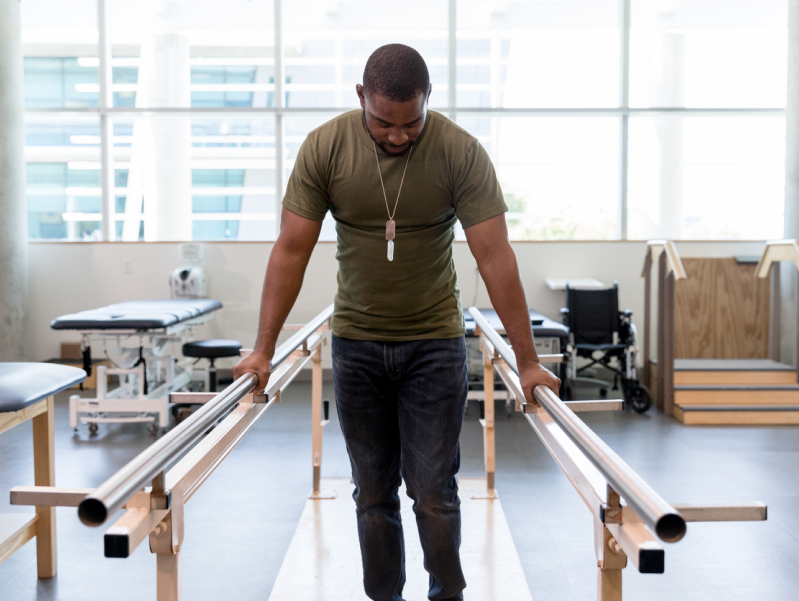
Gait and balance refer to how a person walks and maintains their stability while moving or standing. At ATI Physical Therapy, we provide gait and balance physical therapy to address issues to help improve mobility and reduce the risk of injury.

What are Gait and Balance Issues?

Gait and balance issues are problems that affect a person’s ability to walk steadily or maintain equilibrium while standing or moving. These issues can range from mild unsteadiness to severe mobility impairments. Gait disorders involve abnormalities in walking patterns, while balance problems relate to difficulties in maintaining stability. Both can significantly impact a person’s quality of life, independence, and safety.

Common Treatment Options for Gait and Balance Issues

Online Physical Therapy
Vestibular Rehabilitation Therapy
Physical Therapy
Hybrid Care

What Can Cause Gait and Balance Problems?

Gait and balance problems can arise from a variety of factors, such as:

  • Neurological conditions like stroke, Parkinson’s disease, or multiple sclerosis
  • Muscle weakness or joint stiffness
  • Inner ear disorders or vertigo
  • Arthritis or other joint problems
  • Injuries such as sprains, fractures, or trauma to the legs or spine
  • Age-related degeneration of muscles and joints

Gait and Balance Symptoms

Symptoms of gait and balance disorders can include:

  • Unsteady or shuffling walk
  • Difficulty with coordination while walking
  • Staggering or stumbling
  • Frequent falls or fear of falling
  • Dizziness or lightheadedness
  • Difficulty standing still without swaying

Gait and Balance FAQ

Understanding gait and balance issues can be complex, and many people have questions about causes, symptoms, and treatment options. To address common concerns, we’ve compiled a list of frequently asked questions about gait and balance. These cover topics such as risk factors, prevention strategies, improvement techniques, and the benefits of physical therapy for gait and balance disorders.

Several factors can increase your risk for gait and balance issues, including:

  • Advanced age, as balance often declines with aging
  • History of previous falls or balance-related injuries
  • Medical conditions such as diabetes, stroke, or neurological disorders
  • Use of medications that affect balance or coordination
  • Poor vision or hearing
  • A sedentary lifestyle leads to reduced muscle strength and flexibility

To prevent gait and balance issues, consider these strategies:

  • Engage in regular physical activity to strengthen muscles and improve flexibility
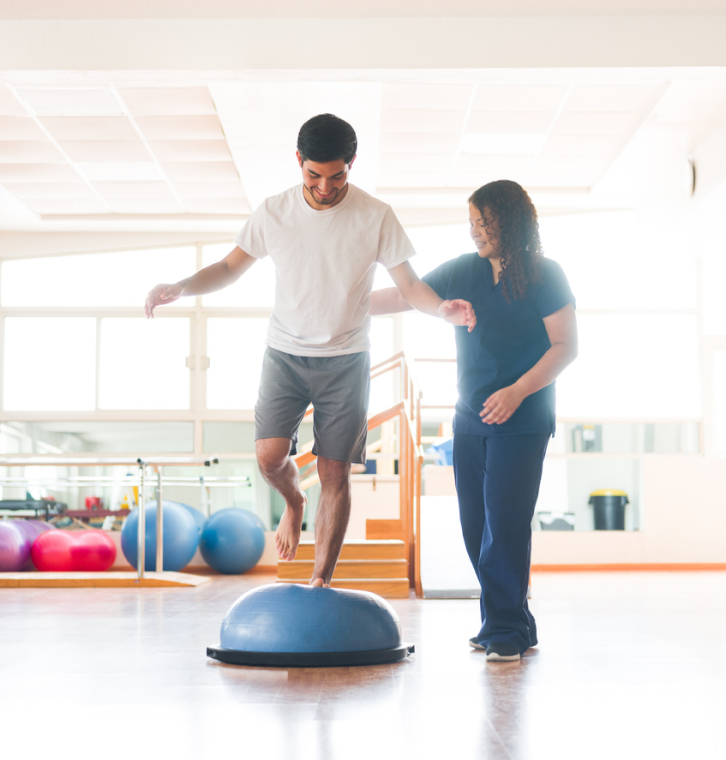
  • Practice balance exercises such as standing on one leg or tai chi
  • Use assistive devices like walkers or canes if necessary
  • Ensure proper footwear to avoid slips or falls
  • Address underlying medical conditions early, such as treating vision or hearing problems

Treatment for gait and balance issues depends on the underlying cause, but common approaches include:

  • Physical therapy focuses on improving strength, flexibility, and coordination
  • Balance training exercises to reduce fall risk
  • Gait retraining to correct walking patterns
  • Use of assistive devices like orthotics, walkers, or canes
  • Vestibular therapy for inner ear disorders that affect balance
  • In some cases, medication or surgery may be necessary for treating the underlying condition

The benefits of balance and gait physical therapy include:

  • Improved stability and reduced risk of falls
  • Enhanced mobility and independence in daily activities
  • Increased confidence in movement and reduced fear of falling
  • Strengthened muscles and improved joint flexibility
  • Corrected walking patterns to prevent further injuries
  • Personalized strategies for managing balance and gait issues

A physical therapist evaluates gait and balance by observing how you walk, testing your coordination and stability, and identifying any abnormalities in your movement patterns. This assessment helps determine the underlying cause of your symptoms and guides the development of a personalized treatment plan.

Yes, gait and balance problems can sometimes indicate an underlying neurological condition such as Parkinson’s disease, multiple sclerosis, or the effects of a stroke. If you notice a sudden or progressive change in how you walk or maintain your balance, it is important to seek medical evaluation promptly.

The timeline for improvement varies depending on the severity of your condition and its underlying cause. Some patients notice meaningful progress within a few weeks of consistent therapy, while more complex conditions may require a longer course of treatment to achieve lasting results.

Vestibular rehabilitation therapy is a specialized form of balance treatment specifically designed for people whose balance problems stem from inner ear disorders or vertigo. General balance therapy addresses a broader range of causes, including muscle weakness, joint problems, and neurological conditions, so the two approaches are related but not identical.

While advanced age is a recognized risk factor, gait and balance issues can affect people of any age. Injuries, neurological conditions, inner ear disorders, and certain medications can all disrupt balance and walking patterns in younger adults and even children.

Assistive devices can improve safety and reduce fall risk, but they do not address the underlying muscle weakness, coordination deficits, or movement pattern problems that contribute to balance issues. Physical therapy works alongside assistive devices to strengthen the body and improve function, with the goal of helping patients move as independently as possible.

You should seek professional evaluation if you experience frequent falls, sudden changes in your walking pattern, persistent dizziness, or difficulty performing everyday activities safely. These symptoms can indicate an underlying condition that requires targeted treatment rather than self-management alone.

Physical Therapy for Balance and Gait at ATI

At ATI Physical Therapy, we offer comprehensive care for individuals experiencing gait and balance issues. Whether you’re recovering from an injury, managing a chronic condition, or seeking to prevent future balance issues, our team is dedicated to helping you achieve your goals. Contact ATI Physical Therapy today to start your journey towards improved gait and balance.