Concussions

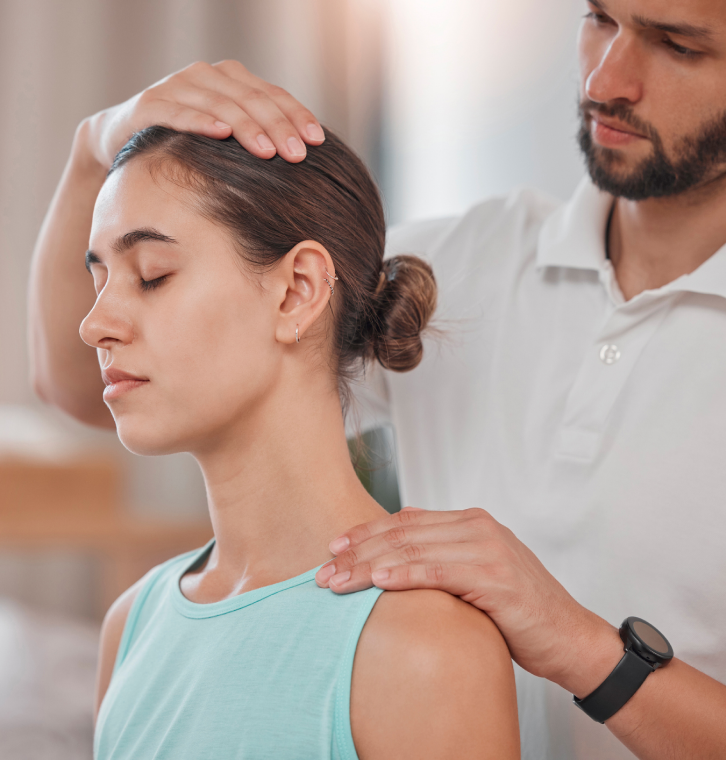
A concussion is a type of traumatic brain injury (TBI) that occurs when a blow or jolt to the head causes the brain to move rapidly within the skull. At ATI Physical Therapy, we provide specialized care for individuals recovering from concussions, focusing on rehabilitation to restore balance, coordination, and cognitive function.

What is a Concussion?

A concussion is a mild traumatic brain injury caused by a bump, blow, or jolt to the head that can change how the brain normally functions. It occurs when the brain is shaken inside the skull, leading to chemical changes in the brain and sometimes stretching and damaging brain cells. Concussions are often described as “invisible injuries” because they may not show up on standard neuroimaging tests like CT scans or MRIs.
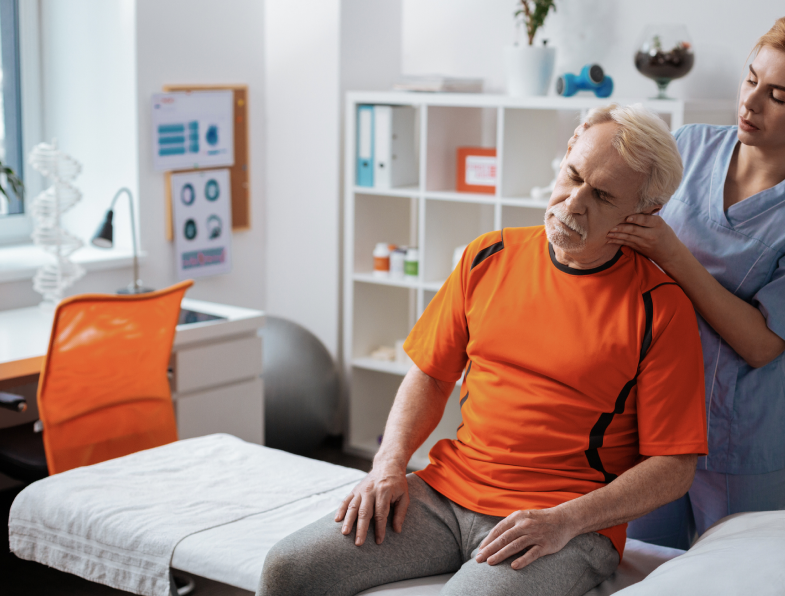
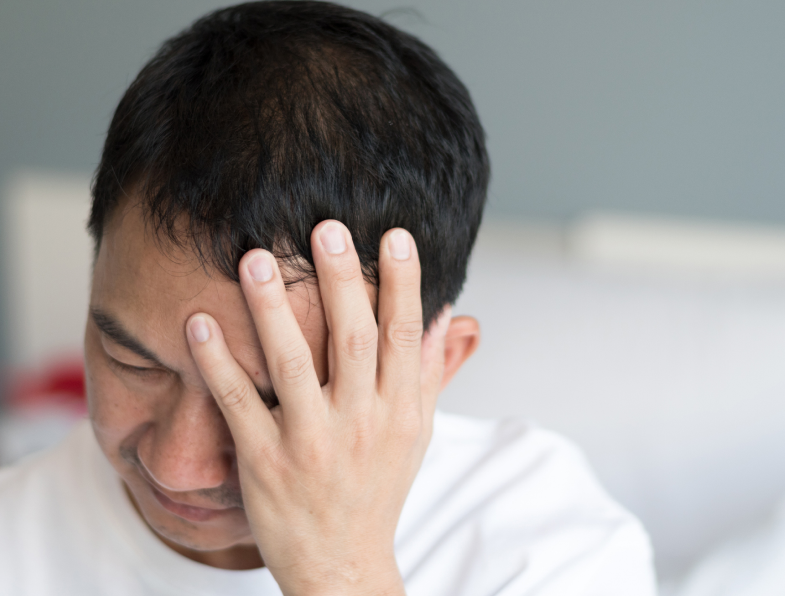
Common Treatments for Concussions

Injury Screenings
Auto and Personal Injury
Pediatric Physical Therapy
Sports Medicine
Workers Comp Rehab
Job Injury Physical Therapy

Common Concussion Causes

Concussions can result from any significant impact on the head or body that causes the brain to move rapidly within the skull. Common causes include:

  • Sports-related injuries, especially in contact sports like football, soccer, or hockey
  • Car accidents where the head or neck is jolted
  • Falls, especially in children and older adults
  • Physical assault or being struck by an object
  • Explosions or blasts in military settings

Understanding the cause of a concussion is key to managing and preventing future injuries, especially for athletes or individuals in high-risk environments.

Concussion Symptoms

Signs of a concussion may appear immediately or hours to days after the injury, and can include:

  • Headache or a feeling of pressure in the head
  • Dizziness or balance problems
  • Confusion or feeling “foggy”
  • Sensitivity to light or noise
  • Nausea or vomiting
  • Difficulty concentrating or memory problems
  • Blurred vision or seeing “stars”
  • Fatigue or drowsiness
  • Mood changes, such as irritability, sadness, or anxiety
  • Sleep disturbances, such as difficulty falling asleep or sleeping more than usual

Concussion FAQ

Concussions can be complex injuries that often raise many questions about symptoms, recovery, and long-term effects. To address common concerns, we’ve compiled a list of frequently asked questions about concussions. These cover topics such as recovery time, treatment options, the role of physical therapy in concussion management, and when to seek professional help.

The recovery time for a concussion varies depending on the severity of the injury and individual factors. In mild cases, symptoms may resolve within a few days to a couple of weeks with adequate rest and treatment. However, in more severe cases or if the person has had previous concussions, symptoms can persist for weeks or even months, a condition known as post-concussion syndrome. Factors that affect concussion recovery time include:

  • The severity of the initial injury
  • The individual’s age (younger people may take longer to recover)
  • Previous history of concussions
  • How soon after the injury treatment is started

Treatment for a concussion typically includes:

  • Physical and cognitive rest allow the brain to heal
  • Gradual return to normal activities under the supervision of a healthcare provider
  • Vestibular therapy to address balance and dizziness issues
  • Vision therapy to treat visual disturbances caused by concussion
  • Cognitive therapy to help with memory and concentration problems
  • In severe cases, medications may be prescribed to manage headaches, nausea, or other symptoms

Physical therapy can play a crucial role in concussion recovery by:

  • Addressing balance and coordination issues through vestibular rehabilitation
  • Improving neck strength and mobility to reduce headaches and dizziness
  • Providing exercises to enhance visual tracking and focus
  • Implementing a gradual return-to-activity program tailored to the individual’s needs
  • Offering education on proper techniques to prevent future concussions
  • Assisting with cognitive exercises to improve memory and concentration
  • Monitoring progress and adjusting treatment plans as needed

You should consider seeing a physical therapist for a concussion:

  • As soon as you’re cleared by a doctor, typically within a few days of the injury
  • If you’re experiencing persistent symptoms like dizziness, balance problems, or headaches
  • When you’re ready to begin a gradual return to physical activities or sports
  • If you’re having difficulty with daily tasks due to concussion symptoms
  • When you need guidance on preventing future concussions
  • If you’re experiencing post-concussion syndrome with prolonged symptoms

Explore More

Whether you’re recovering from an injury, managing pain, or looking to optimize your fitness, our team shares valuable information to help you live a healthier, more active life.

Managing Sciatic Pain During the Holidays: Tips for a More Comfortable Season

Holiday travel, extra time on your feet, and long hours sitting during meals or gatherings can make sciatic nerve pain flare up. Sciatica, also known as radiating leg pain or...

Winter Back Pain: Why It Happens and How to Prevent It

Cold weather can make your back feel tighter, stiffer, and more prone to injury. Reduced activity, tense posture, and outdoor chores like shoveling often make back pain worse in winter....

Wrist Pain at Work: Ergonomic Fixes That Actually Help

Typing should not hurt. Wrist pain is one of the most common complaints among desk workers, especially as hours at keyboards and devices increase. Whether it feels like an ache,...

Knee Injuries Explained: ACL and Meniscus Tears

Twists, cuts, and awkward landings can strain the knee during sports and everyday life. The anterior cruciate ligament, or more commonly referred to as the ACL, and meniscus tears are...
Load more

Physical Therapy for a Concussion at ATI

At ATI Physical Therapy, we offer comprehensive care for individuals recovering from concussions. We work closely with you to monitor your progress and adjust your treatment plan as needed. Whether you’re dealing with a recent concussion or managing lingering symptoms, our team is committed to helping you regain function and return to your normal activities safely. Contact ATI Physical Therapy today to start your journey towards recovery from a concussion.