Hand Osteoarthritis

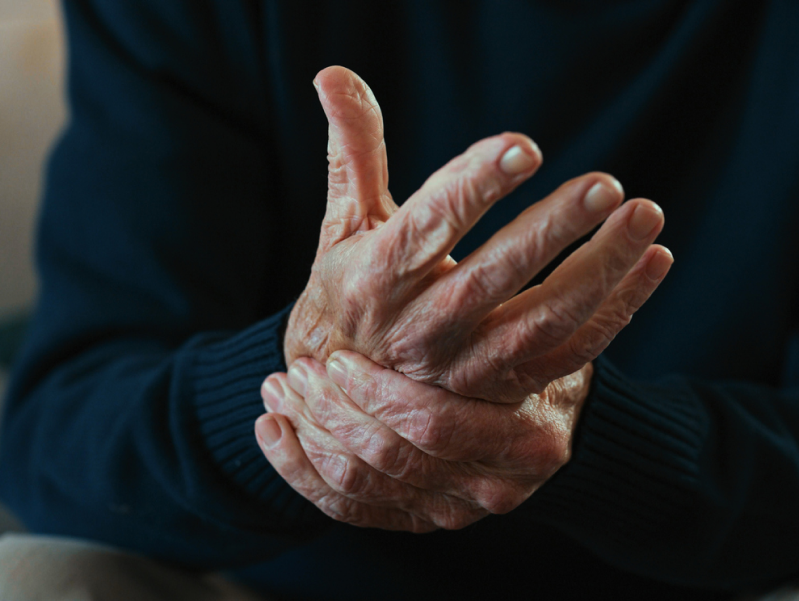
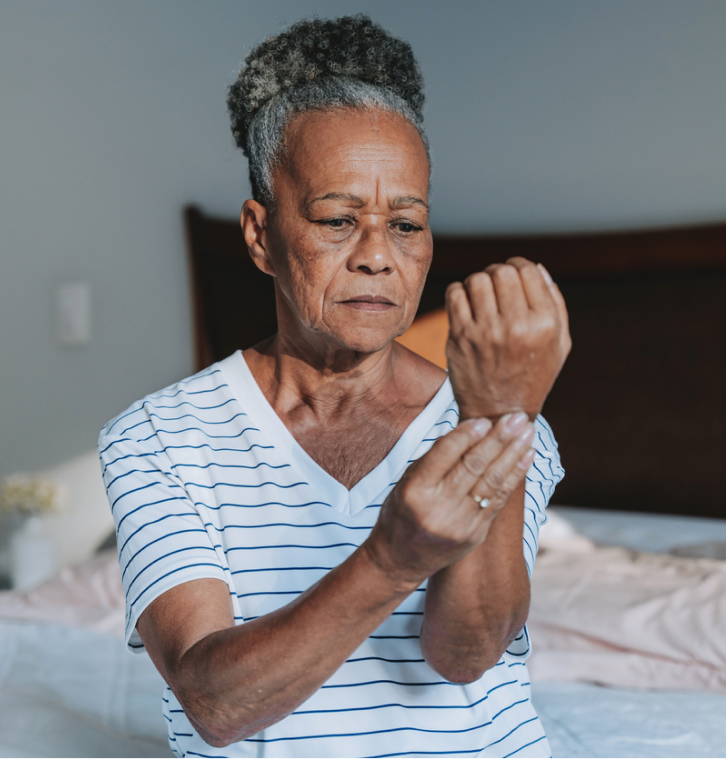
Hand osteoarthritis is a degenerative joint disease that affects the cartilage in the joints of the hands. Over time, the cartilage that cushions the joints breaks down, causing bones to rub against each other. Fortunately, osteoarthritis hand physical therapy can provide effective relief.

What is Hand Osteoarthritis?

Hand osteoarthritis is a degenerative condition affecting the joints in the hands, particularly the knuckles, the joints in the middle of the fingers, and the joint at the base of the thumb. As the protective cartilage wears away, it leads to pain, stiffness, and reduced function in the affected joints. This condition is a common form of arthritis that typically develops with age or due to repetitive stress on the hand joints.
Causes of Osteoarthritis in Hands

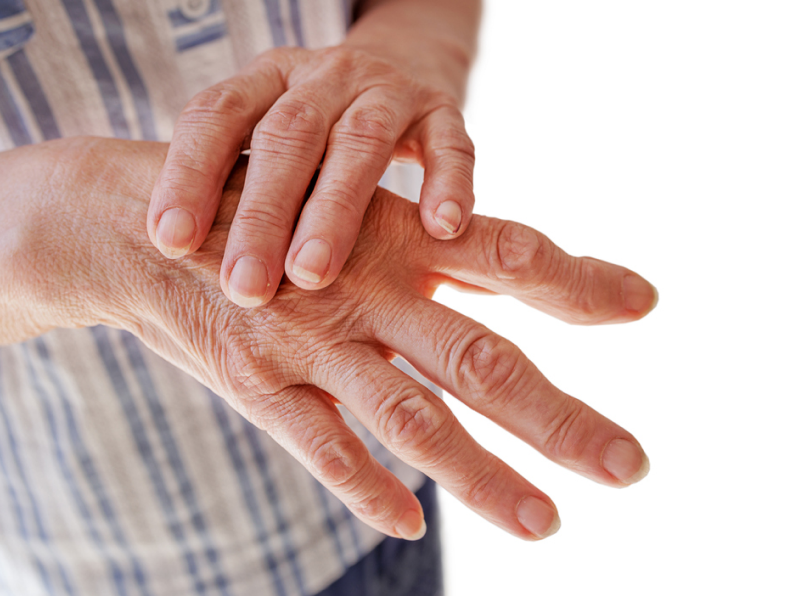
Hand osteoarthritis develops when the protective cartilage in the joints of the hand deteriorates over time. Several factors can contribute to this breakdown, including:

  • Aging: Natural wear and tear on the joints increase with age.
  • Joint injury: Previous injuries to the hands or fingers can increase the risk of developing arthritis in those joints.
  • Overuse: Repetitive movements or overuse of the hands and fingers can speed up the degeneration of cartilage.
  • Genetics: A family history of osteoarthritis can make someone more prone to developing the condition.

Common Treatments for Hand Osteoarthritis

Hand Therapy
Injury Screenings
Online Physical Therapy
Clinical Specialty Services
Manual Therapy

Symptoms of Osteoarthritis in Hands

Hand osteoarthritis symptoms typically develop gradually, starting with mild discomfort and progressing to more severe pain and stiffness. Hand osteoarthritis symptoms include:

  • Pain and tenderness in the joints of the hand, especially with movement.
  • Stiffness, particularly in the morning or after periods of inactivity.
  • Swelling and inflammation in the fingers or joints.
  • A decrease in grip strength or difficulty performing tasks like opening jars or typing.
  • The formation of bony lumps, particularly in the joints of the fingers (known as Heberden’s nodes or Bouchard’s nodes).

Hand Osteoarthritis FAQ

Living with hand osteoarthritis can be challenging and may raise many questions about managing symptoms, treatment options, and maintaining hand function. To address common concerns, we’ve compiled a list of frequently asked questions about hand osteoarthritis. These cover topics such as risk factors, prevention strategies, treatment options, and exercises that can help.

Certain factors may increase your risk of developing hand osteoarthritis, including:

  • Age: As people age, the risk of osteoarthritis increases, particularly after age 50.
  • Gender: Women are more likely to develop osteoarthritis in the hands than men.
  • Genetics: A family history of osteoarthritis can make someone more susceptible.
  • Occupation: Jobs or activities that require repetitive hand movements, such as typing, knitting, or using hand tools, can lead to overuse of the hand joints.
  • Injuries: Previous hand injuries or fractures can increase the risk of osteoarthritis in those joints.

While osteoarthritis cannot be entirely prevented, certain strategies may reduce the risk or slow its progression. Some hand osteoarthritis prevention tips include:

  • Protecting your joints: Avoid repetitive movements or overuse of the hands and fingers.
  • Using ergonomic tools: Choose tools and equipment that reduce strain on your joints.
  • Maintaining a healthy weight: While excess weight impacts the larger joints, it can also affect overall joint health.
  • Hand exercises: Strengthening and stretching exercises can improve the flexibility and strength of the muscles around the hand joints.
  • Avoiding hand injuries: Take precautions to prevent accidents that may damage the joints in your hands.

Common hand osteoarthritis treatment options include:

  • Therapeutic exercises: To strengthen the muscles around the joints and improve hand flexibility.
  • Manual therapy: Hands-on techniques to reduce stiffness and improve mobility in the hand joints.
  • Hot and cold therapy: To reduce inflammation and ease pain.
  • Assistive devices: Recommendations for splints or braces to support the hand and relieve joint strain.
  • Education on joint protection techniques: Learning how to modify tasks to reduce stress on your hand joints.

Common exercises for hand osteoarthritis often include:

  • Finger bends and straightening exercises
  • Thumb stretches and opposition exercises
  • Wrist flexion and extension exercises
  • Grip strengthening exercises using stress balls or putty
  • Range of motion exercises for all joints in the hand
  • Tendon gliding exercises to improve flexibility

Explore More

Whether you’re recovering from an injury, managing pain, or looking to optimize your fitness, our team shares valuable information to help you live a healthier, more active life.

Managing Sciatic Pain During the Holidays: Tips for a More Comfortable Season

Holiday travel, extra time on your feet, and long hours sitting during meals or gatherings can make sciatic nerve pain flare up. Sciatica, also known as radiating leg pain or...

Winter Back Pain: Why It Happens and How to Prevent It

Cold weather can make your back feel tighter, stiffer, and more prone to injury. Reduced activity, tense posture, and outdoor chores like shoveling often make back pain worse in winter....

Wrist Pain at Work: Ergonomic Fixes That Actually Help

Typing should not hurt. Wrist pain is one of the most common complaints among desk workers, especially as hours at keyboards and devices increase. Whether it feels like an ache,...

Knee Injuries Explained: ACL and Meniscus Tears

Twists, cuts, and awkward landings can strain the knee during sports and everyday life. The anterior cruciate ligament, or more commonly referred to as the ACL, and meniscus tears are...
Load more

Physical Therapy for Hand Osteoarthritis at ATI

At ATI Physical Therapy, we offer comprehensive care for individuals with hand osteoarthritis. We work closely with you to develop strategies for managing your symptoms and improving your hand function. Whether you’re dealing with early-stage osteoarthritis or more advanced symptoms, our team is committed to helping you maintain an active and independent lifestyle. Contact ATI Physical Therapy today.